
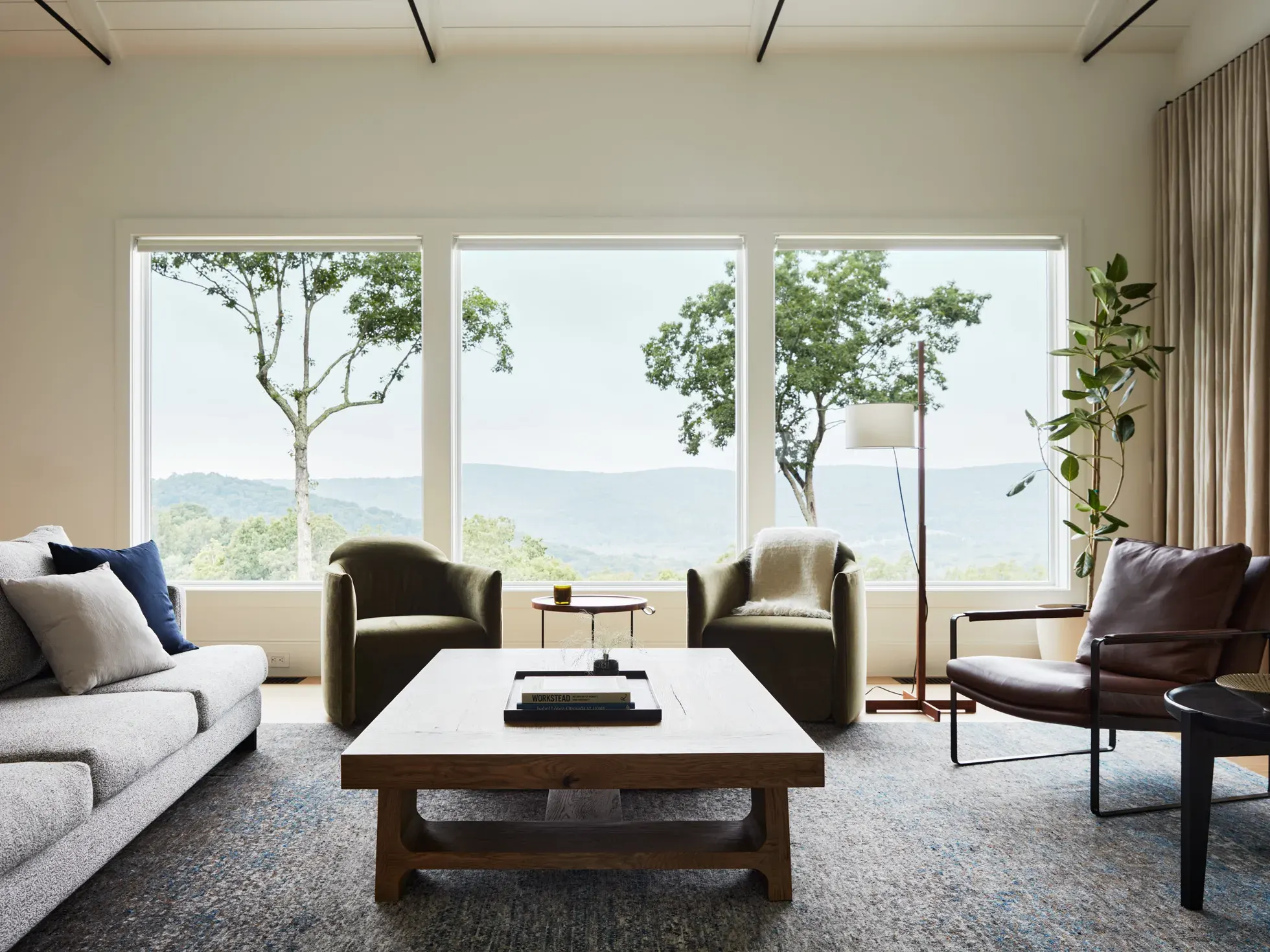
A Complete Guide to Comfort, Proportion, Layout, Lifestyle and Long-Term Value
Your living room is more than just a space with a sofa and a coffee table. It is where conversations unfold, where guests form their first impression of your home, where you decompress after long days, and often where daily life truly happens.
Because of that, choosing living room furniture is not a decorative decision — it is a strategic one.
It affects how you move, how you host, how you relax, and even how your home feels emotionally.
If you are wondering how to choose living room furniture that looks beautiful and works effortlessly for years, this complete guide walks you through what truly matters: proportion, layout, comfort, materials, lighting, budget allocation, longevity, and investment thinking.
Let’s begin where most people make their first mistake.
1. Start With the Room — Not the Sofa
One of the most common errors when buying living room furniture is falling in love with a sofa before understanding the space.
The room determines the furniture — not the other way around.
Before browsing online or visiting stores, define:
-
Exact wall-to-wall dimensions
-
Ceiling height
-
Door and window placement
-
Natural light direction
-
Electrical outlet positions
-
Architectural elements (columns, niches, fireplaces)
Measure everything carefully, including:
-
Distance between openings
-
Clearance near door swings
-
Pathways across the room
A stunning modern living room furniture set can feel overwhelming if scale is ignored.
Professional guideline:
Leave 30–36 inches (75–90 cm) for main circulation paths. Comfort is spatial, not just physical.
2. Define How You Actually Use the Space
Not all living rooms serve the same purpose.
Understanding function first prevents costly mistakes later.
TV-Centered Living Room
-
Sofa facing media wall
-
Proper viewing distance
-
Storage for devices
-
Deep, supportive seating
Conversation-Focused Living Room
-
Chairs facing each other
-
Circular or semi-circular layout
-
Central coffee table
-
Layered lighting
Multifunctional Living Room
-
Modular seating
-
Flexible side tables
-
Hidden storage
-
Lightweight movable pieces
The best living room furniture supports real life — not aspirational Pinterest images.
3. Proportion and Scale: The Silent Designers
Even expensive furniture fails if scale is wrong.
Follow these proportion rules:
-
Sofa: no more than two-thirds of the wall length
-
Coffee table: about two-thirds the length of the sofa
-
Coffee table height: level with or slightly below seat height
-
Rug: should extend under at least the front legs of all seating
For Small Living Rooms
-
Slim arms
-
Raised legs
-
Light upholstery
-
Avoid bulky sectionals
For Large Living Rooms
-
Avoid undersized sofas
-
Add accent chairs
-
Consider sectional layouts
-
Float furniture away from walls
When choosing living room furniture for small spaces, scale matters more than trend.
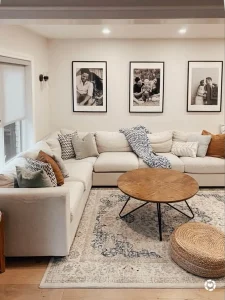
4. Comfort Is Engineering — Not Guesswork
Style attracts. Comfort retains.
When selecting a sofa, evaluate:
-
Seat depth (20–24 inches standard)
-
Seat height (17–19 inches ideal)
-
Back support angle
-
Cushion density (high-density foam lasts longer)
-
Suspension system (sinuous springs or eight-way hand-tied)
Online shopping requires deeper attention to:
-
Frame material (kiln-dried hardwood is best)
-
Fabric durability rating
-
Cushion composition
Affordable living room furniture can be comfortable — but durability depends on structure.
5. Materials Should Match Your Lifestyle
Materials determine maintenance, aging, and long-term satisfaction.
Homes With Kids or Pets
-
Performance fabrics
-
Stain-resistant upholstery
-
Leather for easy cleaning
-
Rounded edges
Low-Maintenance Homes
-
Removable covers
-
Solid wood instead of veneer
-
Washable rugs
Elegant or Formal Spaces
-
Linen blends
-
Velvet accents
-
Natural wood finishes
-
Stone or marble surfaces
The right living room furniture material supports how you live — not just how you want the room to look in photos.

6. Invest in What Carries Weight
Every room has core pieces and secondary pieces.
Invest in:
-
Sofa
-
Primary armchairs
-
Area rug
-
Coffee table
Save on:
-
Side tables
-
Decorative accents
-
Trend-based accessories
High-quality living room furniture typically lasts 10–15 years. Spread over time, investment often becomes more economical than replacing cheaper pieces every few years.
7. Layout Planning Changes Everything
Furniture placement influences emotional comfort.
Common layouts:
Classic Layout
Sofa facing media console, chairs opposite.
L-Shape Layout
Sectional defining a corner.
Floating Layout
Furniture positioned away from walls in large rooms.
Symmetrical Layout
Matching chairs opposite sofa for formal balance.
Ensure:
-
Clear walking paths
-
Balanced visual weight
-
Access to surfaces
-
No blocked light sources
Well-planned living room furniture arrangements create harmony and visual stability.
8. Lighting and Furniture Must Work Together
Lighting changes how furniture looks.
A balanced room includes:
-
Ambient overhead lighting
-
Floor lamps near seating
-
Table lamps for warmth
-
Accent lighting for art or texture
Layered lighting enhances depth, softness, and mood.
9. Storage Reduces Visual Stress
Clutter undermines comfort.
Incorporate:
-
Media consoles with hidden storage
-
Closed cabinetry
-
Storage ottomans
-
Coffee tables with drawers
Modern living room furniture increasingly integrates hidden storage because calm environments feel more luxurious.
10. Sectional vs. Sofa: A Strategic Decision
Choose a sectional if:
-
You entertain frequently
-
You prefer lounge-style comfort
-
You have a larger room
Choose a standard sofa if:
-
Space is limited
-
You value flexibility
-
You rearrange often
Sectionals anchor large rooms. Sofas offer adaptability.
11. Choosing Living Room Furniture for Small Spaces
Small living rooms demand clarity and restraint.
If you’re also looking for practical small living room decor ideas that preserve comfort, explore our detailed guide on designing compact spaces effectively.
Use:
-
Light-colored upholstery
-
Multi-functional furniture
-
Visible legs
-
Vertical storage
Add mirrors to amplify light and perceived space.
The best small living room furniture maximizes comfort without visual heaviness.
12. Budget Allocation With Strategy
Before purchasing, define:
-
Total investment
-
Delivery costs
-
Assembly fees
-
Timeline
A practical budget model:
-
40% sofa
-
20% rug
-
15% coffee table
-
15% additional seating
-
10% accessories
Balanced budgeting avoids overspending on one piece and neglecting others.
13. Sustainability and Longevity
Modern buyers increasingly consider sustainability.
Look for:
-
FSC-certified wood
-
Durable fabrics
-
Replaceable cushion inserts
-
Repair-friendly construction
Long-lasting living room furniture reduces waste and increases long-term value.
Longevity is luxury.
14. Emotional Impact and Cohesion
Furniture shapes how a space feels.
Ask yourself:
-
Does this room feel welcoming?
-
Is it too rigid or too casual?
-
Does the scale feel balanced?
-
Is there visual breathing room?
The best living room furniture creates psychological comfort — not just physical comfort.
Pairing furniture with timeless living room color schemes ensures the space feels cohesive and relevant for years.
15. Common Mistakes to Avoid
-
Buying furniture too small
-
Choosing a rug that is undersized
-
Blocking circulation paths
-
Ignoring electrical outlet placement
-
Selecting style over comfort
-
Forgetting future lifestyle changes
Avoiding these mistakes saves money and frustration.
16. Visual Balance: The Difference Between Styled and Designed
A room can have beautiful furniture and still feel wrong.
Why?
Because balance was ignored.
Balance in living room furniture happens through:
-
Visual weight (large vs small pieces)
-
Material contrast (wood, metal, fabric)
-
Height variation (low sofa + tall lamp)
-
Color distribution
If everything is heavy, the room feels oppressive.
If everything is light, the room feels unfinished.
The goal is rhythm — a quiet repetition of scale and tone.
Professionally designed living rooms rarely rely on matching sets. They rely on balance.
17. Mixing Styles Without Losing Harmony
Modern homeowners rarely buy complete matching sets anymore.
Instead, they mix:
-
Modern sofas
-
Vintage coffee tables
-
Contemporary lighting
-
Organic textures
The secret is cohesion.
To mix styles successfully when choosing living room furniture:
-
Repeat one color at least three times.
-
Keep wood tones within the same undertone family.
-
Limit bold statements to one or two pieces.
-
Anchor the room with a neutral base.
When done correctly, mixing styles adds depth and sophistication.
18. Texture Creates Emotional Warmth
Texture Creates Emotional Warmth
Many living rooms look flat because texture was ignored.
Texture adds dimension.
Layer through:
-
Rugs
-
Throw pillows
-
Wood grains
-
Woven baskets
-
Upholstery variation
-
Matte vs glossy surfaces
Texture is what makes modern living room furniture feel warm rather than sterile.
If creating warmth is your priority, explore our guide to cozy living room ideas that focus on layered comfort without visual clutter.
👉 How to Create a Cozy Living Room Without Too Much Stuff
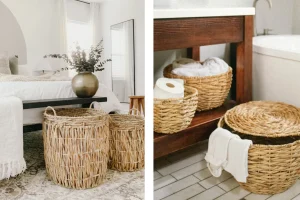
19. Designing for the Future
Your lifestyle will change.
Children grow.
Work situations shift.
Entertaining habits evolve.
When investing in living room furniture, ask:
Will this layout still work in five years?
Can I add seating later?
Is the sofa neutral enough to evolve with accessories?
Timeless shapes and neutral upholstery allow adaptation without replacing core pieces.
20. A Professional Decision Checklist
Before finalizing any purchase, confirm:
-
Does it fit the room scale?
-
Does it support how I use the space?
-
Is circulation preserved?
-
Is comfort truly tested?
-
Are materials appropriate for my lifestyle?
-
Is the investment proportional to longevity?
-
Does it align with the room’s overall mood?
If the answer to any is no — reconsider.
21. Online Buying: Hidden Factors Most People Ignore
When buying living room furniture online:
Check:
-
Shipping dimensions (can it fit through doors?)
-
Return policy
-
Warranty coverage
-
Fabric sample availability
-
Cushion replacement options
Reading negative reviews is often more informative than positive ones.
Smart buyers evaluate structure before aesthetics.
22. The Emotional ROI of Good Furniture
There is a financial return on investment.
And there is an emotional return on investment.
Well-chosen living room furniture:
-
Reduces daily friction
-
Encourages connection
-
Enhances relaxation
-
Supports routines
-
Improves first impressions
Comfort compounds over time.
And that may be the most valuable return of all.
23. Investment Strategy: When to Spend More — and When Not To
Not every piece deserves the same financial weight.
A common mistake when choosing living room furniture is overspending on decorative items and underspending on structural ones.
Spend more on:
-
Sofa frame quality
-
Cushion density
-
Primary seating comfort
-
Durable rug construction
Spend less on:
-
Trend-driven accent chairs
-
Side tables
-
Decorative lighting
-
Seasonal accessories
Why?
Because structural pieces define the room for a decade.
Decor evolves every few years.
Design longevity is built on foundations — not accents.
24. The Most Common Design Corrections Professionals Make
Interior designers are often hired to fix the same recurring problems.
The most frequent corrections include:
-
Replacing undersized rugs
-
Removing excess small furniture pieces
-
Improving circulation
-
Adjusting sofa scale
-
Adding proper lighting layers
-
Rebalancing visual weight
Notice something?
Most issues are about proportion and layout — not style.
This reinforces a powerful truth:
When choosing living room furniture, spatial logic matters more than aesthetics.
25. Creating a Room That Feels Finished
Many living rooms look “almost done” but never complete.
A finished space usually includes:
-
A defined seating zone
-
At least three light sources
-
A rug anchoring the arrangement
-
Layered textures
-
One focal point (art, fireplace, media wall)
-
Clear circulation paths
Completion is about intention.
A room feels finished when nothing feels accidental.
26. A Simple 4-Step Framework for Choosing Living Room Furniture
If you remember nothing else, remember this:
-
Measure the room precisely.
-
Define how the space is used.
-
Select core pieces first.
-
Layer supporting elements thoughtfully.
This framework eliminates 80% of common mistakes.
What Truly Matters
Choosing living room furniture is not about chasing trends or copying showroom displays.
It is about building a space that supports comfort, movement, conversation, and everyday life.
The best living room furniture:
-
Fits your proportions
-
Matches your lifestyle
-
Ages gracefully
-
Feels comfortable daily
-
Adapts over time
When you design with intention, your living room stops being just a decorated area.
It becomes a space that works — quietly, beautifully, and consistently — for years to come.
And that is what truly matters.
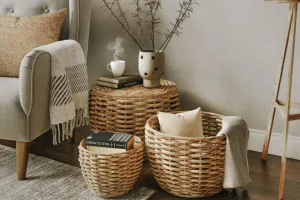
Cozy-living-room-corner-with-textured-throw-blanket-woven-baskets-and-layered-decor-creating-warmth-and-comfort
Frequently Asked Questions About Living Room Furniture
What is the most important piece of living room furniture?
The sofa is usually the anchor piece and deserves the largest portion of your investment.
How do I know if my furniture is too big?
If walking paths feel tight or pieces block doors and windows, scale is likely incorrect.
Is modern living room furniture more practical?
Modern designs emphasize clean lines and functionality, often making them highly practical for contemporary homes.
How long should a sofa last?
A high-quality sofa should last 10–15 years with proper care.
Should all furniture match?
No. Cohesion matters more than matching. Mixing materials and silhouettes creates depth.
A well-designed living room is not built in a single purchase. It is built through thoughtful decisions. When furniture aligns with space, lifestyle, and long-term vision, the result is not just aesthetic — it is functional harmony.