
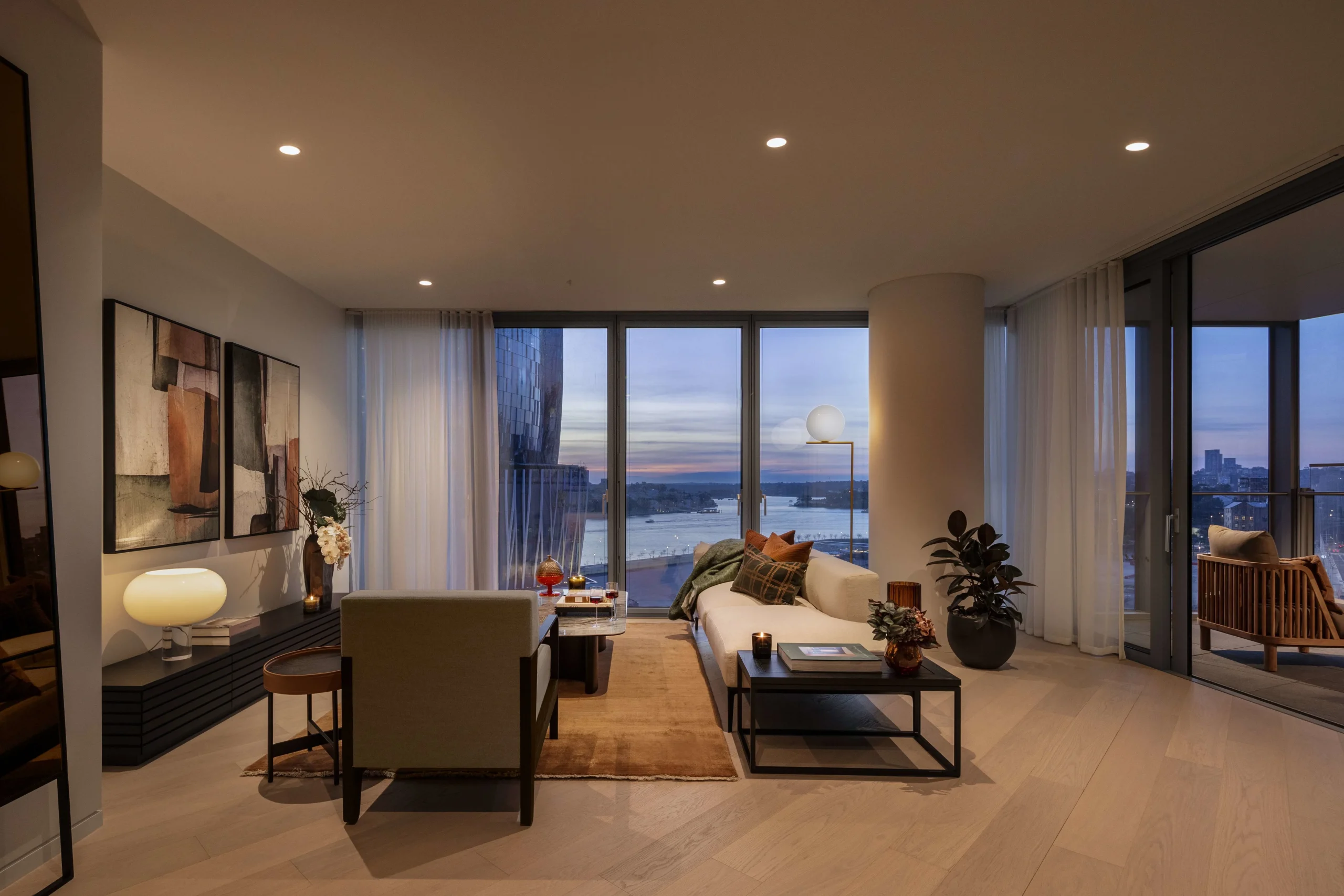
Living room decor ideas that truly work for everyday living prioritize function before decoration. In most homes, this space supports daily routines, not just occasional gatherings.
A living room should feel comfortable on an ordinary weekday evening. It needs to support movement, conversation, rest, and the small transitions that happen between moments.
When layout, seating, lighting, storage, and color work together, the room feels effortless. And effortlessness is what makes a space livable long term.
Practical Living Room Decor Ideas for Everyday Use
Living room decor ideas become truly effective when they respond to daily routines instead of occasional gatherings. In most homes, this space must support movement, relaxation, conversation, and quiet transitions between moments.
The most successful living room decor ideas reduce friction. They allow furniture to adapt, lighting to shift, and surfaces to remain usable without constant rearranging.
Especially in apartments and compact homes, living room decor ideas must prioritize proportion and flow over decoration density.
Over time, living room decor ideas that focus on usability remain visually calm even during active use.
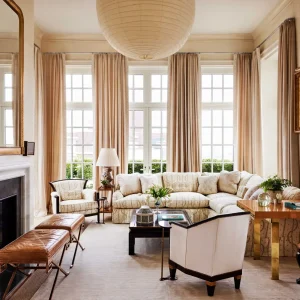
living-room-decor-ideas-for-everyday-living.
Living Room Decor Ideas That Support Real Everyday Use
Living room decor ideas only succeed when they are built around daily routines instead of occasional gatherings. In practice, this means prioritizing circulation, comfort, and lighting adaptability before styling details.
In smaller homes and apartments, the margin for error is smaller. Every decision affects usability. When decor supports real movement and real habits, the room feels calm even during active use.
This is what separates a styled living room from a livable one
Why Some Living Room Decor Ideas Don’t Age Well
Some living room decor ideas prioritize visual impact over long-term comfort. Overscaled furniture, highly saturated trend colors, or purely decorative layouts often feel compelling at first.
However, living room decor ideas that ignore scale and routine usually require constant adjustment. A rug that is too small breaks visual continuity. A sofa that is too deep limits posture flexibility.
In practice, living room decor ideas age well when they emphasize proportion, layered lighting, and durable materials.
Prioritize the Layout Before Decorating
In practice, layout determines whether living room decor ideas will actually function.
Before choosing pillows or artwork, evaluate how people move through the space. Circulation paths should remain clear even when seating is occupied. Coffee tables should be reachable without leaning forward excessively. Entry points should feel unobstructed.
Why Living Room Decor Ideas Often Fail in Real Homes
Living room decor ideas frequently look convincing in photos but lose effectiveness in everyday settings.
The difference lies in context. In most homes, this room absorbs constant transitions — people entering and leaving, devices charging, meals briefly placed on tables, blankets used and folded again. If decor decisions ignore these routines, the room slowly becomes harder to maintain.
A practical living room begins by acknowledging what actually happens there.
In everyday life, people sit in multiple positions, shift furniture slightly, adjust lighting, and leave small items temporarily on surfaces. When decor is too rigid, it creates friction. When it’s too minimal without support, it lacks comfort.
The goal isn’t to copy a styled image. It’s to translate good design principles into a setting that tolerates movement and repetition.
What Separates Practical Decor from Styled Decor
Practical living rooms share a few consistent characteristics:
-
Furniture allows flexibility instead of fixed symmetry
-
Textiles are durable and easy to maintain
-
Lighting can shift from functional to soft
-
Storage exists within reach
-
Surfaces are styled but not crowded
In smaller apartments, this distinction becomes even more important. A decorative object without purpose occupies space that could otherwise improve usability.
In open-plan layouts, decor must also support visual continuity. Repeating tones and materials subtly across zones prevents the living area from feeling disconnected from dining or kitchen spaces.
Over time, rooms designed around real routines remain visually balanced even when actively used. Rooms designed only for aesthetic impact often require constant adjustment.
The difference may appear subtle at first, but daily interaction reveals it clearly.
Design that supports everyday routines is rarely dramatic. It is measured, proportionate, and intentional.
And that restraint is what allows the room to feel finished without feeling fragile.
Why It Works in Everyday Homes
A well-planned layout reduces friction. You can walk across the room without adjusting furniture. You can sit down naturally. You can clean without maneuvering around obstacles.
Key considerations:
-
Clear walking paths between main areas
-
Seating arranged for conversation, not just symmetry
-
Furniture pulled slightly inward instead of pushed against every wall
-
Proportions scaled to the room, not to trends
Especially in apartments and mid-sized homes, circulation matters more than visual balance.
When the layout works, the room adapts easily to change.
Choose Seating That Supports Real Postures
A living room only works if people genuinely want to sit in it.
Sofas that are too deep discourage upright conversation. Sofas that are too shallow prevent real relaxation. The ideal depth supports both.
Balancing Function and Aesthetics
Medium-depth sofas often provide the best balance for everyday living. Durable upholstery — such as tightly woven performance fabrics — ages better under constant use.
A mix of seating types also improves flexibility:
-
A structured sofa
-
One movable accent chair
-
A pouf or ottoman that doubles as a footrest
-
Optional modular pieces for adaptability
This approach works especially well in open-plan homes where seating needs to adjust to different social settings.
A beautiful sofa that is uncomfortable weakens the entire room.
Material durability classifications can also be explored through the American Society for Testing and Materials, which defines performance standards for upholstery and finishes.
https://www.astm.org/
Keep Surfaces Purposeful, Not Overstyled
Horizontal surfaces quickly reveal whether a room is functional.
Coffee tables and side tables should support real activities: placing a drink, resting a laptop, holding a book.
Choosing the Right Proportions
Tables should sit slightly below seat height and remain within easy reach. Oversized tables restrict movement. Undersized tables create imbalance.
In everyday living, surfaces benefit from intentional restraint:
-
One primary coffee table
-
One accessible side table per seating zone
-
Trays to group small objects
-
At least 30–40% of surface left clear
Leaving negative space is not minimalism. It is practical styling for real life.
A home that’s easy to live in always leaves room for use.
Use Lighting to Support Different Moments
Lighting determines how living room decor ideas actually feel in use.
One overhead fixture cannot adapt to morning brightness and evening calm. Layered lighting provides flexibility without changing furniture.
Why It Works Over Time
Effective layering includes:
-
Ambient lighting (ceiling or recessed)
-
Task lighting (floor or table lamps for reading)
-
Accent lighting (wall sconces or indirect lamps)
Warm light tones in the evening support relaxation. During the day, furniture placement should allow natural light to move freely.
The same room can feel energizing at 9 a.m. and restorative at 9 p.m. with thoughtful lighting alone.
For further guidance on residential lighting standards, the Illuminating Engineering Society provides professional recommendations for interior environments.
https://www.ies.org/
living-room-decor-ideas-with-layered-lighting.
Build a Color Palette That Ages Well
In most homes, timeless color palettes outperform bold trends.
Large pieces — sofas, rugs, media units — benefit from neutral or muted tones. Accent color can shift seasonally through textiles or art.
Adjusting for Smaller Spaces
In compact living rooms, tonal layering works better than high contrast. Variations within the same color family create depth without visual noise.
Effective strategies:
-
Warm neutrals as base
-
Subtle repetition of tones
-
Accent color limited to replaceable items
-
Avoid highly saturated large furniture pieces
A flexible palette allows the room to evolve gradually instead of being redesigned.
Integrate Storage That Preserves Calm
Storage determines whether a room stays visually balanced after daily use.
In practice, everyday objects — remotes, chargers, blankets — need invisible homes.
What Makes It Practical Over Time
-
Closed cabinetry over open shelving
-
Media units with concealed compartments
-
Storage ottomans
-
Decorative baskets for soft items
In apartments, multifunctional furniture is especially valuable. A bench with storage can reduce the need for additional pieces.
Storage is not about hiding life. It’s about making reset easy.
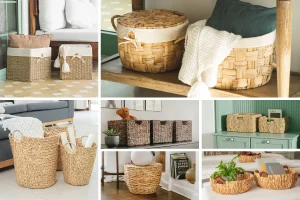
living-room-decor-ideas-with-hidden-storage
Common Mistake: Designing for Guests Instead of Daily Life
One common mistake is arranging the living room primarily for occasional visitors.
This often leads to:
-
Formal seating that discourages lounging
-
Decorative tables that lack function
-
Overly styled surfaces that require constant maintenance
It happens because visual perfection feels rewarding initially.
Simple Correction
Design for the people who use the room daily.
Shift seating toward comfort. Reduce decorative clutter. Introduce flexible lighting. Add discreet storage.
The result is a room that feels calm even when actively used.
A Real-Home Adjustment
Before: A mid-sized apartment living room with furniture pushed against every wall and a single ceiling light.
The issue: The room felt hollow yet cluttered. Walking paths were awkward, and evenings felt overly bright.
What changed:
-
Seating was pulled inward to create a conversation zone
-
A floor lamp and table lamp were added
-
A storage ottoman replaced a decorative bench
Result in daily use: Movement became easier. Evenings felt calmer. Cleaning required less effort.
Small layout shifts often produce the biggest improvements.
Living With the Space
Morning: Natural light fills the room. Clear surfaces allow coffee and devices without rearranging decor.
Afternoon: Seating supports upright posture for reading or work. Circulation remains smooth.
Evening: Layered lighting softens the atmosphere. Blankets are accessible but easily stored.
Cleaning & Maintenance: Defined storage and proportional spacing reduce dust accumulation and simplify vacuuming.
Design that supports everyday routines sustains comfort long term.
Practical Checklist Before Redesigning Your Living Room
Before making changes, consider:
-
Measure walking paths (minimum 30–36 inches clearance)
-
Check sofa depth relative to daily posture
-
Evaluate lighting layers (not just brightness)
-
Identify objects without defined storage
-
Reduce surface decor by one-third
-
Confirm furniture scale fits room proportions
-
Keep at least one surface partially clear
What matters most is not decoration. It is how easily the room supports real use.
Quick Living Room Decision Guide
| If Your Living Room Feels… | Focus On… |
|---|---|
| Crowded and difficult to move through | Improve layout and circulation |
| Comfortable but visually flat | Add layered lighting and texture |
| Organized but lacking warmth | Introduce softer textiles and accent lighting |
| Relaxing but cluttered | Add hidden storage solutions |
| Too formal for everyday use | Prioritize comfort over symmetry |
| Small and disconnected | Use furniture scaled to the room |
| Finished but uninspiring | Refresh color accents and decorative layers |
Most living room problems are not caused by decoration itself. They usually come from one missing layer: layout, lighting, storage, comfort, or proportion. Identifying the primary issue first makes every decorating decision easier.
You May Also Like
If you’re exploring ways to create a more functional and comfortable home, these ideas can help you go further.
Learn how to optimize compact spaces with smart layout decisions in How to Decorate a Small Living Room Without Losing Comfort, where practical strategies improve both flow and comfort.
Explore timeless palettes and how they impact everyday living in Living Room Color Schemes That Age Well Over Time, focusing on tones that remain elegant and easy to live with.
Understand how to create a home that feels both beautiful and practical in How to Balance Style and Function at Home, with design principles that support everyday routines.
Explore how furniture arrangement influences circulation and comfort in Living Room Layout Ideas That Actually Work, with practical solutions for real homes.
Editorial Conclusion
Living room Decor ideas that truly work for everyday living prioritize clarity over complexity.
Comfort, layout, lighting, and storage create the foundation. Decoration becomes secondary.
Over time, rooms designed this way feel more balanced, not less. They require less adjustment and offer more ease.
Spaces that feel balanced and functional rarely depend on trends. They depend on decisions that support daily life quietly and consistently.