
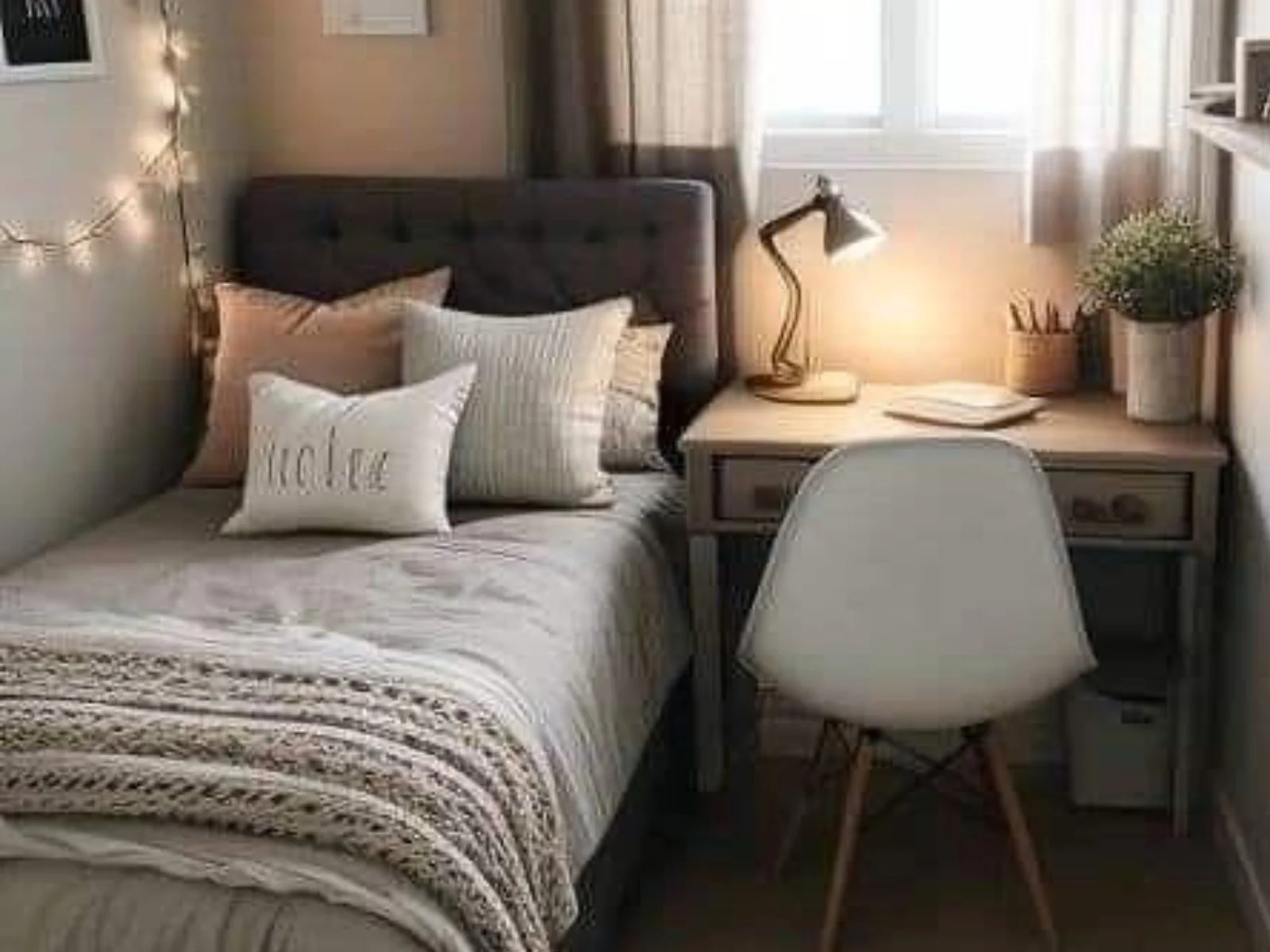
Designing a small bedroom can feel challenging, especially when trying to combine comfort, storage, and visual appeal within limited space.
Many homes and apartments feature compact bedrooms where every design choice matters. Furniture placement, color selection, and storage solutions all play an important role in how the room functions on a daily basis.
The good news is that small bedrooms can be just as stylish and comfortable as larger spaces when they are designed thoughtfully.
Instead of focusing on the limitations of the room, it helps to see small bedrooms as opportunities to create intentional, well-organized environments.
By choosing the right furniture, simplifying decoration, and using smart layout strategies, even the smallest bedroom can become a relaxing and functional space.
These practical small bedroom ideas help balance style and function while keeping the room comfortable and easy to maintain.
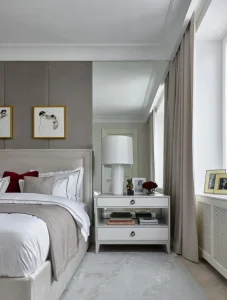
Start With a Light and Calm Color Palette
Color plays a powerful role in how large or small a room feels.
In compact bedrooms, lighter tones often help create a sense of openness. Soft whites, warm neutrals, light grays, and muted earth tones reflect light and make the space feel brighter.
This does not mean the room must feel plain or boring. Texture and subtle contrast can add interest while maintaining a calm visual environment.
For example, a small bedroom might include:
• light-colored walls
• neutral bedding
• soft wood furniture
• textured pillows or throws
Using a limited color palette keeps the room visually cohesive and prevents the space from feeling crowded.
A calm color foundation also makes it easier to update the room later with small decorative changes.
Choose Furniture That Fits the Space
Oversized furniture can quickly overwhelm a small bedroom.
Selecting pieces that are appropriately scaled for the room allows the space to feel more balanced and functional.
Low-profile beds, slim nightstands, and compact dressers often work better than bulky furniture.
Multifunctional pieces can also be extremely helpful in smaller spaces.
Examples include:
• beds with built-in drawers
• storage benches
• wall-mounted shelves
• compact desks that double as bedside tables
These types of furniture maximize usability without occupying unnecessary floor space.
Keeping the furniture simple and proportional allows the room to feel more open and comfortable.

Use Vertical Space for Smart Storage
When floor space is limited, vertical storage becomes especially valuable.
Walls offer opportunities to add functionality without crowding the room.
Floating shelves, wall-mounted lighting, and tall bookcases help create additional storage while keeping the floor clear.
This strategy allows the room to maintain a lighter and more spacious appearance.
Vertical storage solutions might include:
• floating bedside shelves
• tall wardrobes
• wall hooks for accessories
• shelving above the bed
Using the vertical area of the room effectively can dramatically improve organization in small bedrooms.
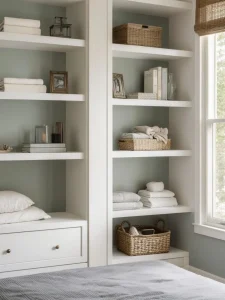
Keep Decoration Simple and Intentional
Decorating a small bedroom does not mean filling every available surface.
In fact, a more minimal approach often works best.
Choosing a few meaningful decorative elements creates personality without overwhelming the space.
Some simple decor ideas include:
• one or two framed artworks above the bed
• a textured throw blanket
• a small bedside lamp
• a plant or natural decorative element
This type of curated decoration keeps the room visually calm and easy to maintain.
A small bedroom benefits greatly from intentional styling rather than excessive decoration.
Optimize the Bedroom Layout
Layout plays a critical role in how comfortable a small bedroom feels.
The bed is typically the largest piece of furniture, so positioning it carefully is essential.
Placing the bed against the longest wall often creates the most efficient layout.
When possible, leaving small walkways around the bed improves movement and accessibility.
Nightstands should remain functional but compact. In very small bedrooms, a floating shelf or wall-mounted table can replace traditional bedside furniture.
A thoughtful layout helps the room feel more balanced and ensures that daily routines remain comfortable.
Use Lighting to Make the Room Feel Larger
Lighting can dramatically influence the atmosphere of a small bedroom.
Layered lighting helps create depth and warmth while improving functionality.
Instead of relying only on overhead lights, a combination of lighting sources often works best.
Examples include:
• bedside lamps
• wall sconces
• soft ceiling lighting
• subtle accent lighting
Warm lighting tones tend to make bedrooms feel more relaxing and welcoming.
Mirrors placed near light sources can also help reflect light and visually expand the space.
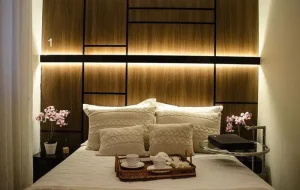
Add Soft Textures for Comfort
Even small bedrooms should feel cozy and inviting.
Textures play a key role in creating warmth without adding visual clutter.
Layered textiles such as blankets, pillows, and rugs add comfort and depth to the room.
Examples of comforting textures include:
• woven blankets
• linen bedding
• soft area rugs
• upholstered headboards
• knitted cushions
Combining a few textures makes the bedroom feel more personal and relaxing.
These elements add visual richness without requiring bold colors or excessive decor.
Maintain Organization to Preserve Space
In a small bedroom, organization is essential.
Clutter can quickly make the room feel cramped and stressful.
Simple organization strategies help maintain a comfortable environment.
Helpful habits include:
• keeping bedside surfaces clear
• storing seasonal clothing elsewhere
• using drawer organizers
• maintaining simple cleaning routines
When everything has a designated place, the room remains functional and visually calm.
An organized bedroom feels larger and more comfortable to live in every day.
Smart Storage Ideas for Small Bedrooms
Storage is one of the biggest challenges when decorating a small bedroom. Without practical storage solutions, the room can quickly feel cluttered and uncomfortable.
Fortunately, many smart storage strategies allow small bedrooms to remain organized without sacrificing style.
One effective approach is using the space under the bed. Storage boxes, drawers, or bed frames with built-in compartments provide additional space for clothing, bedding, or seasonal items.
Closets can also become more efficient with simple organization tools such as shelf dividers, hanging organizers, and storage baskets.
Wall-mounted shelves are another useful solution because they free up valuable floor space while still providing room for books, decor, or everyday essentials.
Even small furniture pieces can serve multiple purposes. For example, a storage bench placed at the foot of the bed can function as seating while also storing blankets or pillows.
With the right storage strategy, small bedrooms can remain tidy and functional while still feeling stylish and comfortable.
How to Make a Small Bedroom Feel More Spacious
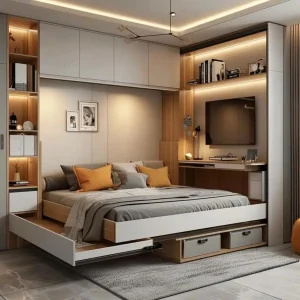
While the physical size of a bedroom cannot be changed easily, thoughtful design decisions can make the space feel much larger.
One of the most effective techniques is maintaining visual simplicity. When surfaces are kept clean and decoration remains minimal, the room naturally feels more open.
Mirrors can also help expand the perception of space. When placed opposite a window or light source, mirrors reflect light throughout the room and create a brighter atmosphere.
Another useful trick is choosing furniture with visible legs instead of bulky pieces that sit directly on the floor. This creates a sense of openness underneath the furniture and allows light to move more freely around the room.
Curtains hung slightly higher than the window frame can also make ceilings appear taller, which improves the overall sense of space.
These small adjustments can transform the atmosphere of a compact bedroom, making it feel lighter, more comfortable, and visually balanced.
Choosing the Right Bed for a Small Bedroom
The bed is the most important piece of furniture in any bedroom, and in a small room it becomes even more significant.
Choosing the right bed can dramatically influence how spacious and comfortable the room feels.
Low-profile beds are often a good option because they create a lighter visual presence and make ceilings appear taller. Platform beds with simple frames can also help maintain a clean and modern look.
Another practical choice is a bed with built-in storage. Drawers located under the mattress provide valuable storage space without requiring additional furniture in the room.
For extremely compact bedrooms, some people choose beds that include shelving in the headboard. This design allows books, lamps, or decorative objects to be stored in a practical and organized way.
Selecting the right bed design allows the room to remain comfortable while maximizing the available space.
Creating a Cozy Atmosphere in a Small Bedroom
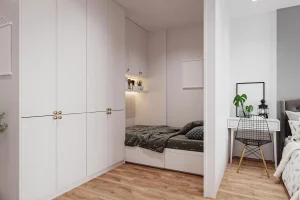
Even though space may be limited, a small bedroom should still feel warm and welcoming.
Creating a cozy atmosphere often comes from layering textures, lighting, and simple decorative details.
Soft bedding plays a major role in making the space inviting. Materials such as cotton, linen, and knitted fabrics can add comfort without overwhelming the room.
Area rugs can also improve the atmosphere of a small bedroom by adding warmth underfoot and defining the sleeping area.
Lighting contributes significantly to the cozy feeling of the space as well. Bedside lamps with warm light tones help create a relaxing environment during the evening hours.
Small decorative touches such as framed artwork, plants, or candles can add personality while keeping the room visually balanced.
When these elements work together, even a small bedroom can feel like a comfortable retreat.
Common Mistakes to Avoid in Small Bedroom Design
Designing a small bedroom requires careful decisions. While many ideas can improve the space, some common mistakes can make the room feel even smaller or less functional.
One frequent mistake is using furniture that is too large for the room. Oversized beds, wide dressers, or bulky nightstands can quickly overwhelm the available space and make movement difficult.
Another issue is excessive decoration. Too many decorative objects, wall pieces, or color contrasts can visually clutter the room and make it feel chaotic.
Poor lighting is also a common problem. Relying on a single overhead light can make the room feel flat and uninviting. Adding bedside lamps or wall lighting can dramatically improve the atmosphere.
Ignoring storage planning can also lead to problems over time. Without designated storage areas, everyday items tend to accumulate on visible surfaces, making the room feel messy.
By avoiding these common mistakes, small bedrooms can remain organized, comfortable, and visually balanced.
Designing a Small Bedroom That Works for Real Life
A well-designed small bedroom is not defined by its size but by how effectively the space supports daily routines.
When furniture, layout, storage, and decoration work together, even compact bedrooms can feel calm, comfortable, and practical.
Instead of trying to replicate large bedroom designs, focusing on simplicity and functionality allows small spaces to perform at their best.
Thoughtful choices such as compact furniture, vertical storage, light color palettes, and intentional decoration can transform a small bedroom into a welcoming and efficient space.
With the right design strategies, small bedrooms can offer both style and functionality while remaining easy to maintain over time.
FAQ – Small Bedroom Design
How do you decorate a very small bedroom?
Focus on light colors, compact furniture, vertical storage, and minimal decoration.
What colors make a small bedroom look bigger?
Soft whites, light grays, and neutral tones help reflect light and visually expand the space.
How can I add storage to a small bedroom?
Use vertical shelves, under-bed storage, and multifunctional furniture.
Can a small bedroom still look stylish?
Yes. Thoughtful design, cohesive colors, and simple decor can create a very stylish space even in compact rooms.
You May Also Like
• How to Create a Comfortable Bedroom That’s Easy to Maintain
• Bedroom Lighting Ideas That Keep Things Simple
• Bedroom Layout Ideas That Work in Real Homes
• Minimalist Bedroom Decor for Everyday Living
• What Makes a Bedroom Feel Truly Cozy