
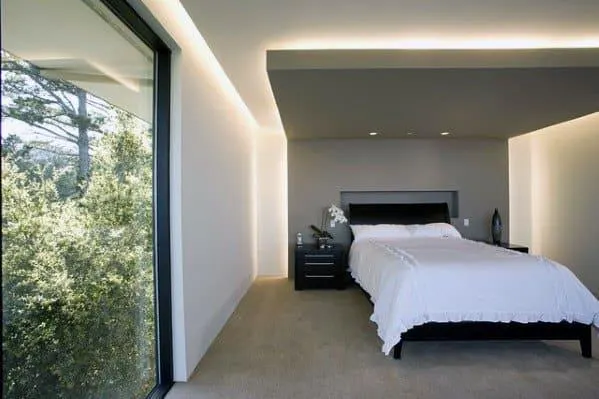
Lighting plays a crucial role in the atmosphere of a bedroom. While furniture and decor shape the visual style of the space, lighting defines how the room actually feels throughout the day and night.
A well-lit bedroom should feel calm, comfortable, and functional. It needs to support different activities such as reading, relaxing, getting dressed, and preparing for sleep.
Many bedrooms rely only on a central ceiling light, but this approach often creates harsh illumination and an uninviting environment.
Instead, combining different types of lighting allows the room to feel balanced and adaptable to different moments of the day.
By focusing on simple lighting strategies, it becomes possible to create a bedroom that feels both practical and relaxing without adding unnecessary complexity to the design.
Start With Soft Ambient Lighting
Ambient lighting provides the general illumination of the bedroom.
This type of lighting allows people to move comfortably through the room and perform everyday tasks.
However, in a bedroom, ambient lighting should remain soft rather than overly bright.
Warm-toned ceiling fixtures, flush mounts, or pendant lights can provide gentle overall illumination while maintaining a calm environment.
Choosing bulbs with warm color temperatures often helps create a more relaxing atmosphere compared to cooler white lights.
Dimmers can also be very useful because they allow the brightness of the room to change depending on the time of day or mood.
A comfortable ambient lighting base ensures that the bedroom feels welcoming from the moment someone enters the space.
Add Bedside Lighting for Practical Use
Bedside lighting is one of the most important lighting elements in a bedroom.
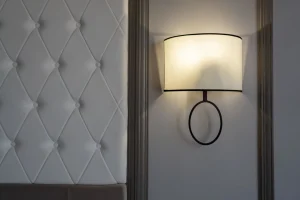
Table lamps placed on nightstands are a classic solution because they provide focused light for reading or relaxing in bed.
However, other options can work equally well depending on the size of the room.
Some alternatives include:
• wall-mounted sconces
• adjustable reading lights
• pendant lights hanging beside the bed
• compact bedside lamps
These options can free up space on nightstands while still providing the necessary lighting for evening routines.
The goal is to create comfortable lighting that is easy to control from the bed.

bedroom-with-pendant-lighting-creating-a-soft-and-modern-ambiance
Layer Different Light Sources
Layered lighting helps a bedroom feel balanced and comfortable.
Instead of depending on a single light source, combining several lighting elements creates depth and flexibility.
Typical bedroom lighting layers include:
• ambient lighting (general room light)
• task lighting (reading or dressing areas)
• accent lighting (decorative atmosphere)
Accent lighting can include soft LED strips, wall lighting, or subtle decorative lamps that create visual warmth.
This layered approach allows the bedroom to adapt to different activities and moods throughout the day.
It also prevents the room from feeling overly bright or flat.
Use Lighting to Create a Relaxing Atmosphere
The bedroom should feel like a retreat from the rest of the home.
Lighting can help reinforce this feeling by creating a calm and soothing environment.
Warm lighting tones are generally better suited for bedrooms because they mimic the natural light of sunset and encourage relaxation.
Avoid extremely bright or cool-toned lights near the bed area, as they may interfere with the body’s natural sleep rhythms.
Soft lamps, diffused lighting, and fabric lamp shades can all help produce a gentle glow that supports rest and comfort.
These subtle lighting choices can dramatically influence how peaceful the bedroom feels in the evening.
Consider Lighting for Different Bedroom Activities
Bedrooms are used for more than just sleeping.
People may read, work, get dressed, or relax in the space.
Different activities benefit from different types of lighting.
For example:
• reading requires focused task lighting
• dressing areas benefit from brighter light
• relaxation areas work well with soft ambient lighting
Placing lights strategically throughout the room ensures that each activity has appropriate illumination.
This functional approach helps the bedroom remain comfortable and practical without sacrificing style.
Choose Lighting Fixtures That Match the Room Style
Lighting fixtures also play a decorative role in the bedroom.
The style of lamps and light fixtures should complement the overall design of the room.
For example:
• modern bedrooms may use minimalist lamps
• rustic bedrooms often include warm metal or wood fixtures
• classic bedrooms may feature fabric shades or traditional lamps

Selecting lighting that matches the design style keeps the room visually cohesive.
Even simple fixtures can contribute to the personality of the space when chosen thoughtfully.
Keep Bedroom Lighting Simple and Balanced
It is easy to overcomplicate lighting design, especially when trying to include multiple fixtures.
However, simplicity often works best in bedrooms.
A balanced combination of ambient lighting, bedside lighting, and one or two accent lights is usually enough to create a comfortable environment.
Keeping lighting simple also helps the room remain calm and uncluttered.
When each light source has a clear purpose, the bedroom becomes easier to use and maintain.
Natural Light and Its Role in Bedroom Design
Natural light is one of the most valuable elements in any bedroom. It not only improves the overall appearance of the space but also contributes to comfort and well-being.
Bedrooms that receive natural light during the day often feel larger, brighter, and more welcoming.
To maximize natural light, it helps to keep windows as unobstructed as possible. Light curtains, sheer fabrics, or simple blinds allow sunlight to enter the room while still providing privacy.
The placement of mirrors can also help distribute natural light throughout the bedroom. When positioned opposite a window, mirrors reflect sunlight and make the space feel more open.
Even in bedrooms with limited window exposure, thoughtful use of reflective surfaces and light color palettes can help amplify the available daylight.
Making the most of natural light reduces the need for artificial lighting during the day and contributes to a healthier and more comfortable bedroom environment.

Wall Lighting Solutions for Small Bedrooms
Wall lighting can be a practical and stylish solution, especially in smaller bedrooms where surface space is limited.
Wall-mounted lights free up room on nightstands and provide focused illumination exactly where it is needed.
Sconces placed on either side of the bed are a popular choice because they create symmetry and provide excellent reading light.
Adjustable wall lamps are another flexible option. They allow the direction of light to be changed depending on the activity, such as reading or relaxing.
Pendant lights hanging beside the bed can also replace traditional bedside lamps. This approach adds a modern design element while maintaining functionality.
These types of lighting solutions help small bedrooms remain organized and visually clean while still offering comfortable illumination.
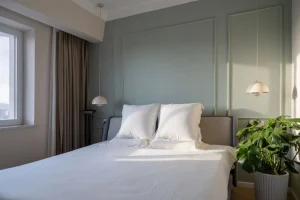
bedroom-with-pendant-wall-lighting-beside-the-bed-creating-a-clean-and-space-saving-design.
Choosing the Right Bulbs for Bedroom Lighting
The type of light bulb used in a bedroom can significantly affect the atmosphere of the space.
Even the most beautiful lighting fixtures will not create a comfortable environment if the bulb produces harsh or overly bright light.
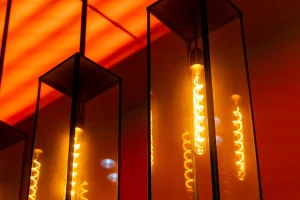
For bedrooms, warm white bulbs are generally the best choice. They create a soft and relaxing glow that helps the room feel calm during the evening hours.
Bulbs with color temperatures between 2700K and 3000K typically provide the most pleasant lighting for bedrooms.
Brightness levels also matter. Extremely bright bulbs can make the room feel clinical rather than restful.
Instead, moderate brightness combined with multiple light sources allows the lighting to feel balanced and adaptable.
Another helpful option is using smart bulbs or dimmable lighting. These solutions allow the brightness and mood of the room to be adjusted depending on the time of day or activity.
With the right bulbs, bedroom lighting can support both functionality and relaxation.
Decorative Lighting That Adds Personality
Lighting can also serve as a decorative element that enhances the personality of the bedroom.
Even simple lighting fixtures can contribute to the style of the space when chosen thoughtfully.
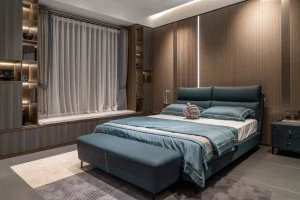
For example, pendant lights placed beside the bed can create a modern and elegant focal point.
Small accent lamps placed on shelves or dressers can introduce warmth and visual depth.
Some bedrooms also use subtle LED lighting behind headboards or along shelving to create a soft atmospheric glow.
These types of decorative lighting solutions should remain subtle so they support the relaxing nature of the bedroom rather than becoming visually overwhelming.
When decorative lighting is used carefully, it adds character while still maintaining a calm and comfortable environment.
How to Plan Bedroom Lighting for Everyday Life
Good bedroom lighting should support everyday routines while maintaining a calm and relaxing atmosphere.
Instead of focusing only on decorative fixtures, it helps to think about how the room is actually used throughout the day.
For example, the lighting needs in the morning are different from those in the evening.
In the morning, brighter light can help make it easier to get dressed, organize belongings, or prepare for the day. Natural light combined with soft overhead lighting often works well for this purpose.
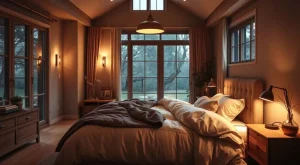
In the evening, the goal is usually to create a more relaxing environment. Soft bedside lamps, dimmed ambient lighting, and warm light tones help the room feel peaceful and comfortable.
Planning lighting around daily activities ensures that the bedroom remains functional without feeling overly bright or complicated.
A well-balanced lighting plan may include:
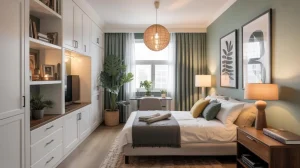
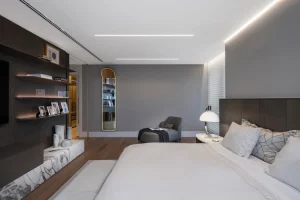
layered-bedroom-lighting-design-with-natural-light-pendant-lamp-bedside-lamp-and-built-in-ambient-lighting.
• a gentle overhead light for general illumination
• bedside lamps for reading and relaxation
• accent lighting to create atmosphere
• optional task lighting for dressing areas
When each light source has a clear purpose, the room becomes easier to use and more pleasant to live in.
Creating a Calm Bedroom Environment With Light
Lighting influences not only how a room looks but also how it feels emotionally.
Bedrooms benefit from lighting that encourages relaxation and helps signal the transition from daytime activity to rest.
Soft, warm lighting tones tend to feel more comfortable in the evening because they reduce visual stimulation and promote a calmer mood.
Using dimmers, table lamps, and indirect lighting helps avoid the harsh brightness that can sometimes come from ceiling fixtures.
Another helpful strategy is turning off stronger overhead lights during the evening and relying on softer light sources instead.
This gradual reduction in brightness mirrors natural daylight patterns and supports a more restful atmosphere before sleep.
When lighting is designed thoughtfully, the bedroom becomes a place where comfort, relaxation, and functionality exist together.
Simple Lighting Habits That Improve Bedroom Comfort
Beyond choosing the right fixtures, everyday lighting habits can also improve the comfort of a bedroom.
Small adjustments in how lighting is used throughout the day can make the space feel more balanced and relaxing.
For example, opening curtains during the morning allows natural light to fill the room and helps create a more energizing start to the day.
During the evening, switching from bright overhead lighting to softer lamps can signal that it is time to relax.
Using bedside lamps instead of strong ceiling lights at night helps maintain a calm environment before sleep.
Another helpful habit is keeping lighting simple and intentional. When each light source has a clear purpose, the bedroom remains comfortable without feeling visually cluttered.
Over time, these small lighting habits help maintain a bedroom atmosphere that supports rest, comfort, and everyday routines.
FAQ – Bedroom Lighting
What is the best lighting for a bedroom?
A combination of ambient lighting, bedside task lighting, and soft accent lighting usually creates the most comfortable bedroom environment.
Should bedroom lights be warm or cool?
Warm lighting is generally better because it creates a relaxing atmosphere and supports natural sleep cycles.
Are bedside lamps necessary?
While not mandatory, bedside lamps or wall lights are extremely useful for reading and nighttime routines.
How bright should bedroom lighting be?
Bedrooms typically benefit from softer lighting than other rooms in the home, with adjustable brightness when possible.
You May Also Like
• How to Create a Comfortable Bedroom That’s Easy to Maintain
• Small Bedroom Ideas That Balance Style and Function
• Bedroom Layout Ideas That Work in Real Homes
• Minimalist Bedroom Decor for Everyday Living
• What Makes a Bedroom Feel Truly Cozy