
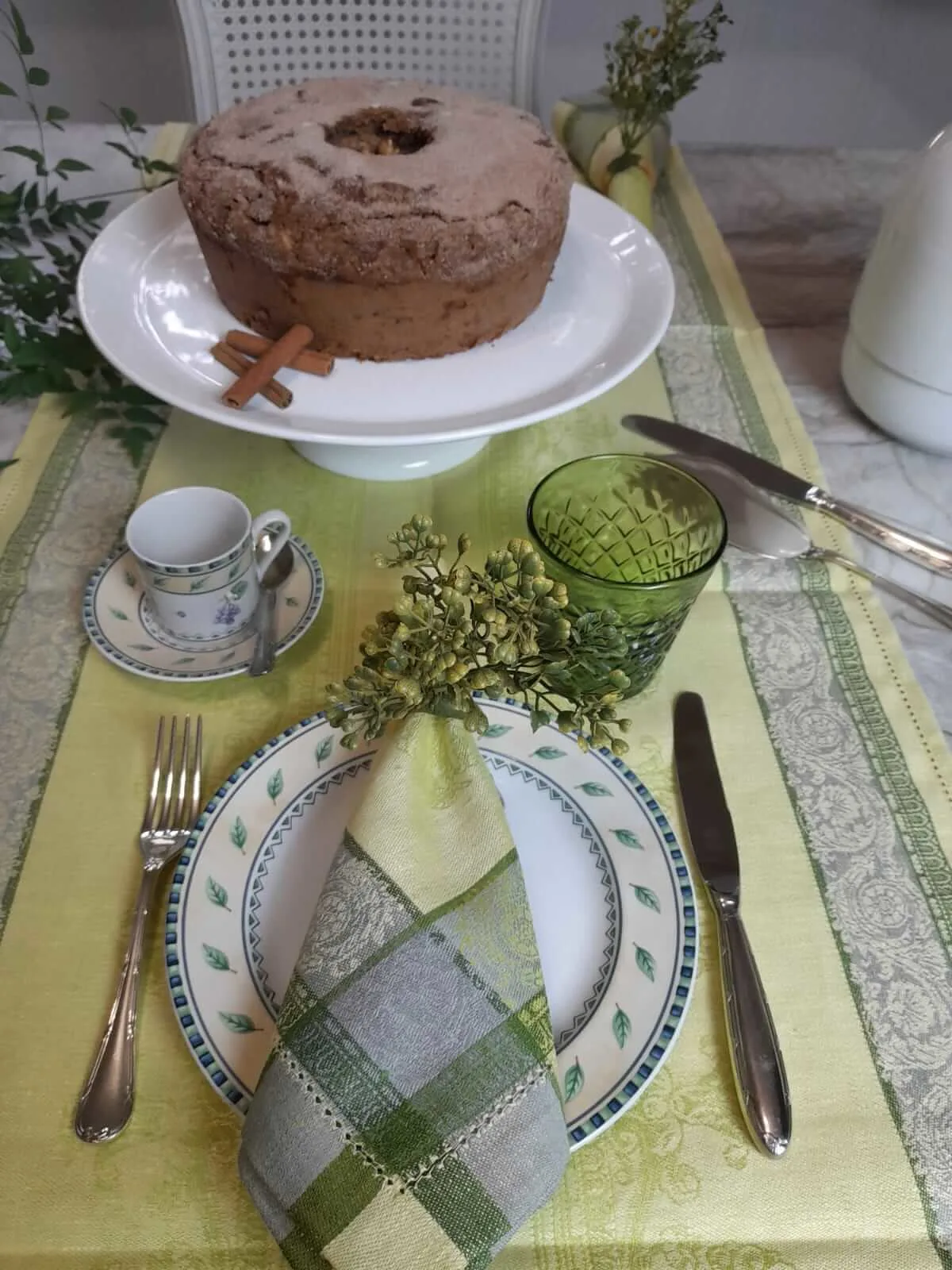
Elevating Everyday Stoneware with Silver and Italian Glassware
Introduction: Everyday Dinnerware Can Look Refined
Designing an everyday table setting that feels refined starts with what you already use daily. Stoneware dinnerware, known for its durability and practicality, can become the foundation of a casual elegant table setting when combined with the right materials.
Most homes rely on stoneware for everyday meals. It is practical, durable, and designed for real life. But practicality does not mean sacrificing elegance.
If you’ve ever wondered how to elevate everyday stoneware without investing in delicate fine china, the answer lies in intentional layering and material contrast. By mixing silver flatware, textured Italian glassware, and European-inspired textiles, you can transform a simple setup into an elevated everyday table setting that feels curated and sophisticated.
This approach is not about excess. It is about balance combining durable materials with refined accents to create a space that works beautifully in modern homes.
Why Stoneware Is the Perfect Foundation for Everyday Dining
Stoneware is one of the most versatile materials available for daily use.
It is typically:
-
Fired at high temperatures
-
Thick and durable
-
Resistant to chips
-
Dishwasher safe
-
Microwave safe
Because of these qualities, stoneware dinnerware is ideal for everyday living. It feels grounded and approachable, making guests comfortable rather than intimidated.
Instead of reserving elegance for special occasions, learning how to elevate everyday stoneware allows you to integrate refinement into daily routines.
Stoneware provides the perfect base because it is neutral, practical, and adaptable.
Is Stoneware Dishwasher and Microwave Safe?
One of the most common questions people ask is:
Is stoneware dishwasher safe?
Can stoneware go in the microwave?
In most cases, yes.
High-quality stoneware is designed to withstand dishwasher cycles and microwave heat. That practicality is one of its strongest advantages over delicate porcelain or fine china.
However, always confirm manufacturer instructions, especially if pieces include metallic trim.
When creating an elevated everyday table setting, functionality matters. A beautiful table should not require complicated maintenance.
Practical luxury is the goal, elegance without inconvenience.
Stoneware vs Porcelain: Which Is Better for Modern Homes?
Understanding the difference between stoneware vs porcelain helps clarify why stoneware works so well for everyday styling.
Stoneware is:
-
Thicker
-
Heavier
-
More rustic in feel
-
Highly durable
Porcelain is:
-
Thinner
-
More delicate
-
Traditionally associated with formal dining
While porcelain has timeless appeal, many modern households prefer stoneware for its resilience and versatility.
Instead of choosing between casual and formal dinnerware, elevating stoneware bridges the gap.
You achieve sophistication without fragility.
This shift reflects how entertaining has evolved toward comfort, authenticity, and realistic elegance.
The Design Principle: Mixing Casual and Refined Materials
The secret behind an elevated everyday table setting lies in contrast.
When you mix:
-
Simple stoneware plates
-
Polished silver flatware
-
Textured Italian glassware
-
Woven European textiles
You create dimension.
Contrast prevents monotony. It also prevents excessive formality.
A casual elegant table setting feels balanced because different materials interact visually:
-
Matte stoneware softens reflective silver.
-
Polished flatware sharpens earthy ceramics.
-
Textured glass adds depth to smooth surfaces.
This interplay transforms everyday dinnerware into something intentional and refined.
How Silver Flatware Instantly Elevates Everyday Stoneware
Silver flatware changes the tone of a table immediately.
Even when paired with simple stoneware dinnerware, silver introduces:
-
Light reflection
-
Visual precision
-
Timeless character
-
Subtle luxury
Many people reserve silver for holidays. But mixing silver flatware into an elevated everyday table setting creates an approachable elegance.
The key is balance.
Stoneware keeps silver from feeling overly formal.
Silver prevents stoneware from appearing too casual.
This combination is one of the most effective ways to elevate everyday stoneware without replacing your entire collection.
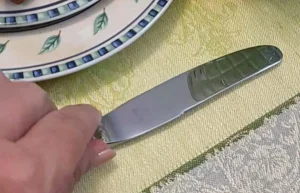
mixing-silver-flatware-with-everyday-stoneware-and-european-textiles
The Impact of Italian Glassware on a Casual Elegant Table
Glassware is often underestimated.
Textured Italian glassware, especially in subtle colors like green — adds:
-
Depth
-
Seasonal freshness
-
European influence
-
Soft color repetition
Italian glassware styling relies on quality and texture rather than bold shapes.
Green glass, for example, works beautifully because it:
-
Complements botanical or natural motifs
-
Reflects light softly
-
Connects with neutral ceramics
-
Feels both seasonal and timeless
When learning how to elevate everyday stoneware, glassware should enhance the composition without overpowering it.
Texture is often more powerful than color when creating a balanced, elevated everyday table setting.
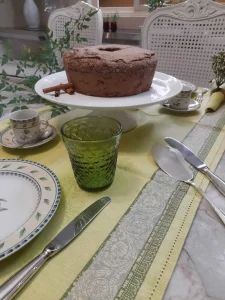
textured-italian-glassware-with-layered-european-table-textiles
Layering European Textiles for Depth and Warmth
European tables frequently rely on textile layering instead of heavy decorative centerpieces.
A woven table runner, particularly one with natural texture, adds:
-
Structure
-
Softness
-
Warmth
-
Visual grounding
Layering textiles beneath stoneware dinnerware creates contrast between hard and soft materials, enhancing the depth of an elevated everyday table setting.
To maintain cohesion:
-
Choose one dominant neutral tone.
-
Avoid excessive pattern mixing.
-
Repeat subtle accent colors found in your glassware.
Textiles frame the place setting and elevate the entire table without adding clutter.
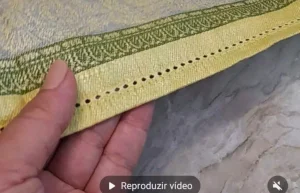
close-up-of-european-woven-table-runner-layered-under-everyday-stoneware
Using Food as a Functional Centerpiece
Not every table needs elaborate floral arrangements.
Using food as décor is one of the most practical ways to maintain elegance while preserving functionality.
A simple cake or seasonal dish:
-
Adds height
-
Feels welcoming
-
Encourages gathering
-
Avoids unnecessary decoration
European-style entertaining often emphasizes warmth and hospitality over visual excess.
An edible centerpiece reinforces the concept of an elevated everyday table setting refined, intentional, and approachable.
Color Strategy: How to Keep the Table Cohesive
When mixing materials, color discipline is essential.
A helpful guideline when learning how to elevate everyday stoneware:
Choose one accent color and repeat it intentionally.
For example:
-
Green glassware
-
Subtle green plate details
-
Natural tones in seasonal elements
Repetition creates harmony.
Avoid introducing too many competing hues. Simplicity allows materials and textures to stand out.
An elevated table feels composed, not crowded.
How to Elevate Everyday Stoneware Step by Step
If you want to recreate this refined yet practical look, follow these steps:
-
Start with durable stoneware dinnerware in neutral or softly patterned tones.
-
Introduce polished silver flatware for contrast and reflection.
-
Add textured Italian glassware in a single accent color.
-
Layer a woven European-style table runner.
-
Keep the centerpiece simple and functional.
-
Maintain a controlled color palette.
The transformation happens through thoughtful layering — not through replacing everything you own.
What to Look for in High-Quality Stoneware
Not all stoneware dinnerware is created equal.
When selecting high-quality stoneware, look for:
-
Even glazing
-
Balanced weight
-
Smooth base finish
-
Chip resistance
-
Consistent coloration
High-quality stoneware maintains its appearance over time.
Durability is one of the reasons stoneware remains a preferred choice for elevated everyday dining.
If your goal is to build an elevated everyday table setting, invest in pieces that can adapt across seasons and styling variations.
Versatility increases long-term value.
Common Mistakes When Styling Everyday Dinnerware
When attempting to elevate everyday stoneware, avoiding common styling mistakes is just as important as selecting the right materials.
Avoid:
- Overloading the table with decorative elements
- Mixing too many patterns
- Introducing multiple accent colors
- Using oversized centerpieces
- Ignoring material contrast
- Elegance often comes from restraint.
Allow silver flatware, stoneware dinnerware, glassware, and textiles to complement one another rather than compete for attention.
A casual elegant table setting depends on balance — not excess.
How to Build an Elevated Everyday Table Collection Over Time
Creating a refined table does not require buying everything at once.
An elevated everyday table setting is built gradually, through intentional choices rather than impulse purchases.
Start with:
- Reliable stoneware dinnerware
- Quality flatware (silver or polished stainless steel)
- One set of textured glassware
- Neutral woven textiles
Over time, layering thoughtful additions builds depth, flexibility, and character.
This approach not only enhances visual cohesion but also aligns with sustainable, long-term design thinking a priority in modern homes across the U.S. and Europe.
A curated collection reflects discernment, not excess.
Why Elevated Everyday Tables Reflect Modern Lifestyle Shifts
The way people entertain has changed dramatically over the last two decades.
Formal dining rooms are used less frequently. Open-plan kitchens and multifunctional spaces have become the norm. Meals are shared more casually, often blending daily routines with intimate gatherings.
Because of this shift, homeowners are searching for ways to create beauty without rigidity.
Elevating everyday stoneware fits naturally into this modern lifestyle. Instead of maintaining separate dinnerware for “special occasions,” many prefer versatile pieces that transition effortlessly between weekday dinners and weekend hosting.
An elevated everyday table setting supports:
Flexible hosting
Apartment living
Smaller gatherings
Practical routines
Design-conscious households
The goal is not to impress with extravagance, but to create an atmosphere that feels intentional, warm, and adaptable.
The Future of Casual Elegant Entertaining
Modern entertaining is no longer divided strictly between “daily” and “special occasion” dining.
Instead, practicality and refinement coexist.
Learning how to elevate everyday stoneware reflects this cultural evolution. By mixing durable ceramics with silver flatware and Italian glassware, you create a table that feels:
Curated
Timeless
Approachable
Functional
A casual elegant table setting is not about extravagance.
It is about intention.
When materials are layered thoughtfully, everyday dining becomes an experience, not just a routine.
The Psychology Behind Mixing Materials
Design is not only visual, it is psychological.
When you combine materials like stoneware, silver flatware, and textured Italian glassware, you create contrast that the eye instinctively appreciates.
Matte versus reflective.
Textured versus smooth.
Casual versus refined.
This balance generates visual interest without creating chaos.
Stoneware alone can feel heavy.
Silver alone can feel overly formal.
Glass alone can feel delicate.
Together, however, they create equilibrium.
Contrast introduces subtle tension and tension is what keeps a composition dynamic rather than static.
Understanding this principle makes it easier to elevate everyday stoneware consistently, regardless of season or occasion.
How Texture Changes the Perception of Quality
Texture plays a powerful role in how we interpret quality and refinement.
Highly polished silver reflects light with precision.
Hand-finished stoneware absorbs light softly.
Textured glass refracts it in gentle variations.
When these surfaces interact, the table gains dimensional depth.
Depth signals intention.
Intention signals curation.
Curation signals quality.
Even when the stoneware itself is affordable, layered textures increase its perceived value.
This is why mixing materials is more transformative than simply adding more decorative objects.
Luxury is rarely about quantity it is about contrast and composition.
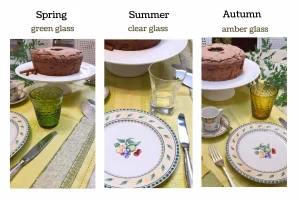
Creating Seasonal Variations Without Replacing Dinnerware
One of the greatest advantages of stoneware dinnerware is its adaptability.
Instead of purchasing new plates every season, you can refresh your table simply by adjusting complementary elements:
Glassware color
Textile layering
Natural accents
Centerpiece style
Small changes create noticeable impact.
For example:
Spring: green glass and fresh linens
Summer: lighter textiles and citrus accents
Autumn: amber glass and warmer tones
Winter: deeper hues paired with polished metallic accents
Because stoneware provides a neutral foundation, it transitions effortlessly across seasons.
Learning how to elevate everyday stoneware allows for continuous visual renewal — without unnecessary spending or excess consumption.
This approach reflects modern entertaining: thoughtful, flexible, and sustainable.
Practical Care Tips for Maintaining an Elevated Everyday Table
True practical luxury depends on durability.
If you are incorporating silver flatware into daily use, proper care preserves its elegance over time:
Polish occasionally to maintain clarity and reflection.
Avoid prolonged moisture exposure.
Store pieces properly to minimize tarnish.
For stoneware dinnerware:
Avoid sudden temperature changes.
Monitor glaze integrity over time.
Follow manufacturer dishwasher and microwave guidelines.
Maintaining your materials ensures that your elevated everyday table setting remains beautiful for years not just seasons.
Longevity is what transforms everyday pieces into lasting collections.
Why This Styling Approach Appeals to U.S. and European Audiences
Across both American and European homes, there is a growing preference for interiors that feel refined yet livable.
Homeowners are increasingly drawn to:
Casual elegance
Practical sophistication
Sustainable purchasing
Timeless design
Elevating everyday stoneware aligns naturally with these values.
Rather than separating “daily use” from “special occasions,” many households now prefer adaptable pieces that perform beautifully in both contexts.
This approach allows homeowners to:
Use what they already own
Invest selectively in quality accents
Avoid wasteful trend cycles
Build collections gradually
The result is a table that feels curated without feeling extravagant.
This mindset resonates strongly with middle-class households seeking refinement without excess — particularly those who value long-term design decisions over fast-changing trends.
In both the U.S. and Europe, this balance between practicality and quiet luxury reflects a broader cultural shift toward intentional living.
The Long-Term Value of Curated Collections
Rather than purchasing complete sets for every occasion, building a collection gradually creates depth and character.
Start with dependable stoneware dinnerware.
Add refined flatware.
Invest in distinctive glassware.
Introduce meaningful textiles.
Layer by layer, your elevated everyday table setting becomes uniquely personal.
This approach reflects maturity in design thinking.
It demonstrates an understanding of how materials interact — rather than relying on perfectly matched, pre-coordinated sets.
Over time, thoughtful collecting creates a table that feels intentional, evolved, and distinctly yours.
Final Reflection: Elevation Is a Skill, Not a Budget
Learning how to elevate everyday stoneware is ultimately about developing an eye for balance.
It is not defined by price point.
It is defined by:
Material contrast
Controlled color repetition
Thoughtful layering
Functional beauty
When durable stoneware is paired with silver flatware and Italian glassware, the result is a table that feels timeless and composed.
Everyday dining becomes elevated not through extravagance but through understanding how materials relate to one another.
And that understanding is what defines true casual elegant entertaining.
Elegance, after all, is not about owning more.
It is about combining what you have with intention.
Frequently Asked Questions About Elevating Everyday Stoneware
Can you mix silver flatware with stoneware?
Yes and it is one of the most effective ways to elevate everyday stoneware.
Silver flatware introduces refinement and contrast to matte or textured stoneware surfaces. When balanced correctly, it softens rustic elements while preventing the table from feeling overly formal.
The result is a casual elegant table setting that feels intentional rather than intimidating.
Is stoneware considered high quality?
Stoneware can absolutely be high quality, depending on craftsmanship and finish.
Look for:
Even glazing
Durable construction
Smooth edges
Consistent weight
When styled thoughtfully, high-quality stoneware dinnerware can look just as elevated as more delicate porcelain.
How do you make everyday dinnerware look more elegant?
To elevate everyday dinnerware:
Add polished flatware.
Introduce textured glassware.
Layer neutral textiles.
Control your color palette.
Keep centerpieces structured and restrained.
Elegance is achieved through layering and restraint — not complexity.
Is stoneware good for entertaining?
Stoneware is ideal for entertaining because it is:
Durable
Practical
Dishwasher safe
Comfortable for guests
When styled with refined accents, it transitions effortlessly between casual meals and special gatherings.
How This Approach Strengthens Long-Term Design Consistency
When you rely on adaptable materials like stoneware, your table styling becomes cohesive over time.
Instead of redesigning your table each season, you refine it through:
Subtle color adjustments
Different glassware
Layered textiles
Seasonal food presentation
Consistency builds visual identity.
And visual identity builds authority both in private homes and curated collections.
An elevated everyday table setting is not driven by trends, but by timeless adaptability.
A Modern Philosophy of Entertaining
Today’s entertaining philosophy prioritizes comfort, authenticity, layered materials, and functional beauty.
Formal dining no longer exists separately from daily life. Modern homes favor versatility — tables that feel refined without rigidity.
Learning how to elevate everyday stoneware aligns naturally with this mindset.
Stoneware remains practical.
Silver adds distinction.
Italian glassware introduces depth.
Together, they create a balanced table that feels welcoming, composed, and enduring.
The Role of Material Contrast in Refined Table Styling
One of the most powerful principles behind an elevated everyday table setting is material contrast.
Matte vs Reflective Surfaces
Stoneware typically features a matte or semi-matte finish. Silver flatware reflects light with clarity. Italian glassware refracts light gently.
This interaction creates visual movement and dimension without clutter.
Texture and Perceived Luxury
Luxury is often perceived through texture rather than price.
Matte ceramics absorb light.
Polished silver reflects it.
Textured glass diffuses it.
Layered textures create depth.
Depth signals intention.
Intention signals quality.
Why Contrast Prevents Visual Flatness
Flatness occurs when all materials share the same finish and visual weight.
A table composed entirely of matte surfaces may feel heavy.
One composed entirely of reflective surfaces may feel overly formal.
Contrast introduces subtle tension and tension keeps a composition dynamic.
An elevated everyday table setting is not about adding more.
It is about combining materials intelligently.
🔗 You may also like
If you’re looking to refine your table setting and explore different compositions, these articles expand on materials, textures, and styling choices:
- Learn how color influences the mood of a table in Blue and White Table Setting Ideas for a Timeless Look (#146), and see how classic palettes can feel both fresh and elegant.
- For a more relaxed yet curated aesthetic, explore Gingham Table Setting Ideas That Feel Effortless and Inviting, where pattern plays a subtle but defining role.
- If you’re working with fewer pieces, understand how to create impact in How to Elevate Everyday Tableware Without Buying New Pieces, focusing on composition rather than quantity.
- To better understand material contrast, read How to Mix Ceramics, Glass and Metal in a Table Setting (#149), and see how balance creates visual harmony.
- And if you want to explore a more seasonal approach, discover Spring Table Setting Ideas with Fresh and Natural Elements, where light, texture, and softness guide the composition.