
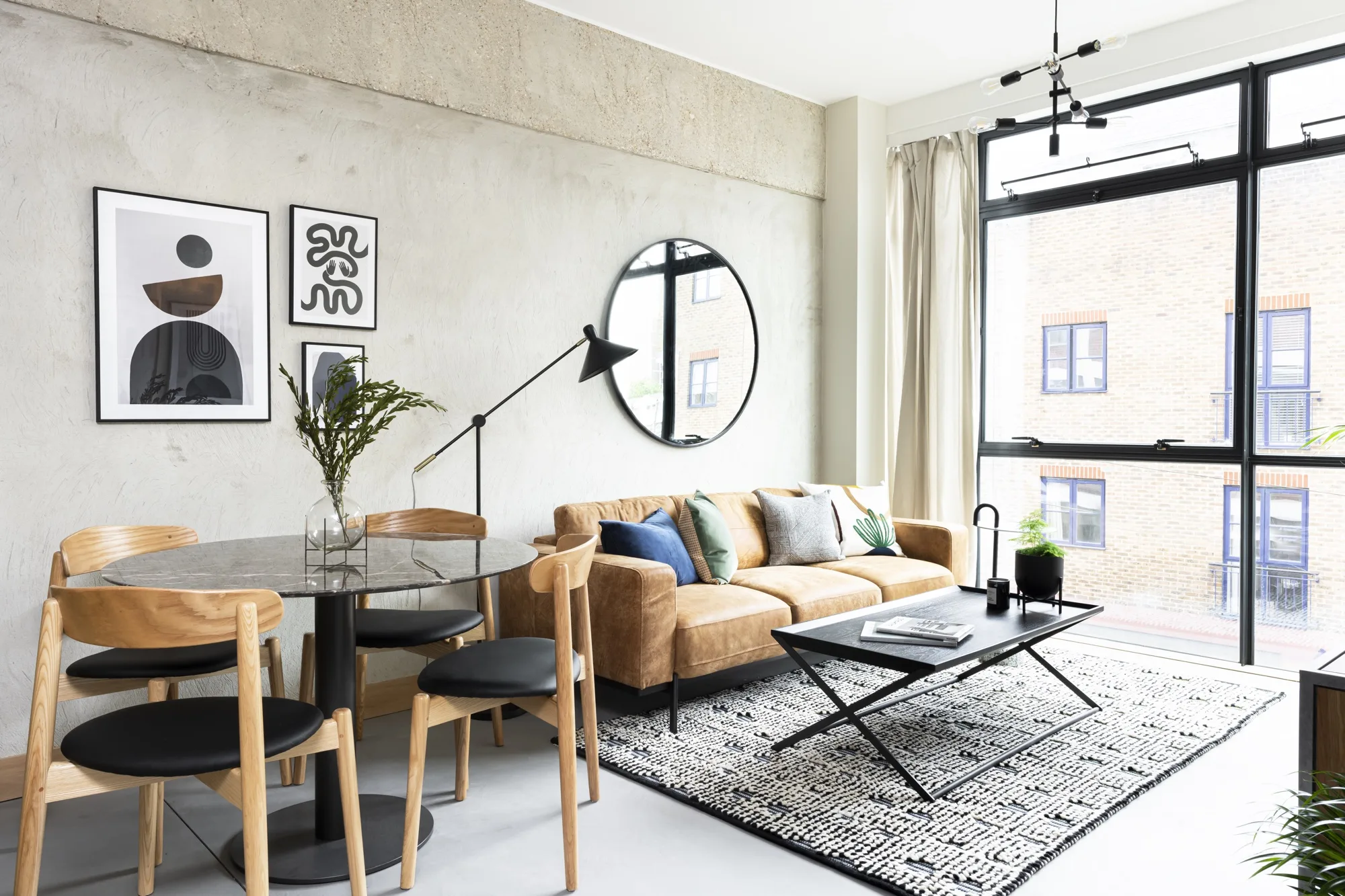
Living in a small apartment does not mean sacrificing comfort or style. In fact, compact homes often encourage more thoughtful design choices and creative decorating solutions.
Small apartments are increasingly common in cities around the world, where space is limited and urban living requires efficient layouts. While smaller spaces can present challenges, they also offer opportunities to create interiors that feel intentional, organized, and welcoming.
The key to successful small apartment decor is understanding how to maximize space while maintaining visual balance.
Rather than filling every corner with furniture or decorative objects, the goal is to create a layout that feels open, functional, and harmonious.
With the right design strategies, even the smallest apartments can feel comfortable and beautifully designed.
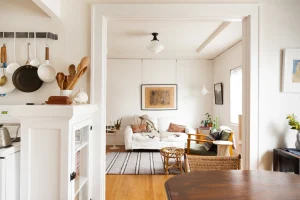
small-apartment-living-room-with-compact-layout-and-neutral-furniture
Start With a Clear Layout Strategy
One of the most important aspects of small apartment decor is planning the layout carefully.
In compact homes, every piece of furniture influences how the space functions. Poor layout decisions can quickly make rooms feel crowded or difficult to navigate.
Before purchasing furniture or decor items, it helps to consider how the space will be used on a daily basis.
For example:
• Where will people sit and relax?
• Is there space for dining or working?
• How will circulation move through the room?
Creating clear pathways between areas helps prevent the apartment from feeling cluttered.
Furniture should support movement rather than block it.
In many small apartments, positioning furniture slightly away from the walls can actually improve the sense of balance and create a more natural flow within the room.
Choose Furniture That Fits the Scale of the Space
Oversized furniture is one of the most common mistakes in small apartment decorating.
Large sofas, bulky cabinets, and heavy tables can overwhelm compact interiors and reduce available floor space.
Instead, it is better to choose furniture designed for smaller environments.
Some helpful options include:
• slim-profile sofas
• compact dining tables
• nesting coffee tables
• wall-mounted desks
• armless chairs
Furniture with visible legs is particularly effective because it creates the illusion of more open space beneath the pieces.
Glass tables or light-colored furniture can also help reduce visual weight within the room.
Choosing fewer but more functional pieces often creates a more elegant and comfortable environment.

compact-furniture-layout-in-small-apartment-with-correct-proportions
Use Vertical Space Efficiently
When floor space is limited, vertical space becomes extremely valuable.
Walls provide opportunities for storage, display, and organization without occupying valuable floor area.
Installing tall shelving units is one of the most effective ways to maximize vertical space. These shelves can store books, decorative objects, plants, and storage boxes.
Wall-mounted storage solutions also help maintain a clean and open layout.
Examples include:
• floating shelves
• wall hooks
• vertical cabinets
• hanging plant holders
Using vertical space helps apartments remain organized while preventing surfaces from becoming cluttered.
In addition, tall elements can visually emphasize the height of the room, making it feel larger than it actually is.
vertical-storage-solutions-in-small-apartment-using-wall-space-efficiently-
Create Defined Zones Within the Apartment
Many small apartments use open layouts where living, dining, and sleeping areas share the same room.
While this approach maximizes available space, it can sometimes make the apartment feel undefined or chaotic.
Creating subtle zones helps organize the environment without requiring walls or permanent dividers.
Rugs are one of the easiest tools for defining different areas.
For example:
• a rug can anchor a living room seating area
• a smaller rug can mark a dining zone
• a bedside rug can define a sleeping area
Furniture placement can also create visual boundaries.
A sofa positioned strategically can separate a living room from a dining area, while an open bookshelf can function as a light divider.
These techniques maintain openness while providing structure to the space.
Use Light Colors to Expand the Space
Color plays a powerful role in how small apartments are perceived.
Light colors tend to reflect natural light and make interiors feel larger and more open.
Soft neutral tones are especially effective for small spaces. Popular choices include:
• warm white
• light beige
• soft gray
• pale sand
• muted pastels
These colors create a calm foundation that allows furniture and decorative objects to stand out without overwhelming the room.
This does not mean small apartments must be completely neutral.
Accent colors can still be introduced through textiles, artwork, decorative accessories, and plants.
By keeping large surfaces light and balanced, small apartments can feel brighter and more spacious.
Incorporate Multi-Functional Furniture
Multi-functional furniture is essential for maximizing the potential of small apartments.
Because space is limited, furniture that serves multiple purposes helps maintain flexibility.
Some of the most useful options include:
• sofa beds
• storage ottomans
• expandable dining tables
• foldable desks
• beds with built-in storage
These pieces allow apartments to adapt to different daily needs without requiring additional space.
For example, a foldable desk can transform a living room corner into a temporary home office.
Storage ottomans can function as seating, footrests, and hidden storage containers at the same time.
This flexibility is one of the most valuable advantages in compact homes.
Use Mirrors to Create the Illusion of Space
Mirrors are a classic design technique used to make small interiors feel larger.
When positioned strategically, mirrors reflect both natural and artificial light, which helps brighten the room and create the perception of depth.
Large mirrors placed near windows are particularly effective because they multiply the impact of natural light.
Mirrored furniture pieces or decorative mirror panels can also contribute to this visual expansion.
However, moderation is important. Too many mirrors can create visual confusion rather than balance.
A single large mirror or a carefully arranged mirror composition often produces the best result.
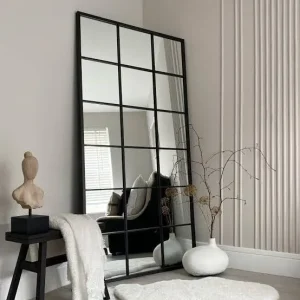
mirror-reflecting-light-in-small-apartment-to-visually-expand-the-space
Keep Decor Simple and Intentional
When decorating small apartments, simplicity often leads to the best results.
Too many decorative items can quickly create visual clutter, making rooms feel smaller than they actually are.
Instead, it is better to focus on a curated selection of decor pieces that add personality without overwhelming the space.
Examples include:
• a statement artwork piece
• a decorative floor lamp
• textured throw pillows
• a sculptural vase
• a small collection of books
Each decorative object should contribute to the atmosphere of the room.
Intentional decor creates a refined and balanced environment.
Add Plants to Bring Life to Small Spaces
Plants are an excellent addition to small apartments because they introduce color, texture, and natural vitality.
Even a few plants can dramatically improve the atmosphere of a room.
Smaller plants can be placed on shelves, desks, or side tables, while medium-sized plants can fill empty corners.
Hanging planters are another effective solution because they add greenery without occupying floor space.
Popular indoor plants for apartments include:
• snake plants
• pothos
• peace lilies
• rubber plants
• small palms
Plants help soften modern interiors and make apartments feel more welcoming.
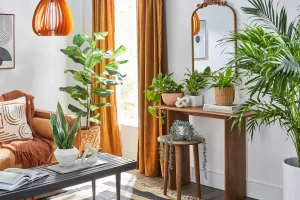
small-apartment-decor-with-plants-adding-natural-texture-and-life
small apartment plants decorMaintain Organization to Avoid Visual Clutter
Organization is one of the most important aspects of small apartment living.
Even beautifully decorated spaces can feel uncomfortable if they become cluttered with everyday items.
Storage solutions help maintain visual order while supporting daily routines.
Helpful storage ideas include:
• baskets for blankets and magazines
• decorative boxes for small objects
• vertical shelving units
• under-bed storage containers
• compact cabinets
Keeping surfaces relatively clear allows the design of the apartment to remain visible and balanced.
Create a Comfortable and Personal Home
Ultimately, the goal of decorating a small apartment is not simply to make it look attractive.
The true purpose of design is to create a home that supports daily life.
Comfortable seating areas, relaxing bedrooms, and organized workspaces help apartments function smoothly.
Personal elements such as photographs, books, artwork, and travel souvenirs also contribute to a deeper sense of belonging.
Even in compact environments, thoughtful decor can create spaces that feel warm, inspiring, and uniquely personal.
Use Lighting to Transform a Small Apartment
Lighting is often overlooked in small apartment decor, yet it plays a crucial role in how a space feels.
Poor lighting can make even a well-decorated apartment appear cramped and uninviting. On the other hand, layered lighting creates depth, warmth, and visual comfort.
Instead of relying on a single ceiling light, it is helpful to combine several types of lighting:
• ambient lighting for general illumination
• task lighting for reading or working
• accent lighting for decorative highlights
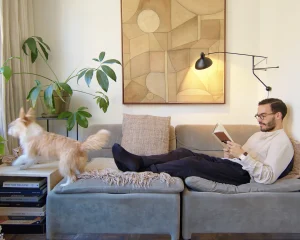
Floor lamps are especially useful in small apartments because they add vertical interest while illuminating dark corners. Table lamps can create cozy zones in living rooms or bedrooms, making the space feel more intimate and relaxing.
Wall sconces or plug-in wall lamps are also excellent solutions because they free up valuable surface space on side tables and desks.
Warm light temperatures generally work best in residential interiors. They create a comfortable atmosphere and soften the appearance of the room.
By carefully layering light sources, even a small apartment can feel welcoming, sophisticated, and visually balanced.
Use Textures to Add Depth Without Clutter
Decorating small apartments requires a careful balance between personality and simplicity. One of the most effective ways to enrich the environment without overcrowding it is through textures.
Texture adds visual interest while keeping the color palette calm and cohesive.
For example, a neutral living room can feel far more dynamic when different materials are introduced:
• a soft wool rug
• linen curtains
• a knitted throw blanket
• natural wood furniture
• ceramic decorative objects
These subtle variations create depth and warmth without overwhelming the space.
Textured fabrics also improve comfort, which is especially important in small homes where rooms often serve multiple functions.
In a compact apartment, a sofa may act as both a seating area for guests and a relaxation space for daily life. Adding comfortable pillows and blankets enhances the experience while contributing to the overall design.
Natural materials such as wood, cotton, wool, and stone are particularly effective because they introduce warmth and authenticity to the space.
Using textures strategically allows a small apartment to feel rich, layered, and thoughtfully designed.
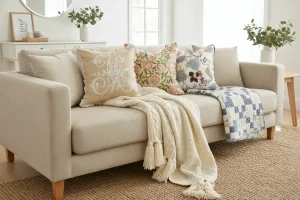
textured-decor-in-small-apartment-with-layered-fabrics-and-natural-materials
Make the Entry Area Functional and Stylish
Even the smallest apartments benefit from a well-designed entry area.
The entrance sets the tone for the entire home and plays an important role in organization. Without a designated entry zone, everyday items like keys, bags, shoes, and jackets can quickly create clutter.
Fortunately, creating a functional entry space does not require much room.
Simple solutions can transform even a narrow hallway into an efficient and welcoming area.
Some practical ideas include:
• installing wall hooks for bags and coats
• using a slim console table for small items
• placing a decorative tray for keys
• adding a small mirror near the entrance
• using a compact shoe rack or storage bench
A mirror near the entrance is particularly helpful because it reflects light and visually expands the space.
A small rug can also define the entry zone and prevent dirt from spreading throughout the apartment.
By organizing this area thoughtfully, the apartment immediately feels more structured and inviting.
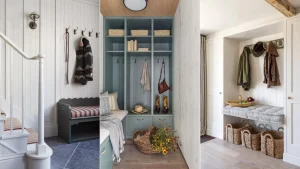
FAQ – Small Apartment Decor
How do you decorate a very small apartment?
Focus on compact furniture, vertical storage, and light color palettes to create a more open feeling.
What colors make a small apartment look bigger?
Light neutrals such as white, beige, and soft gray reflect light and visually expand the space.
What furniture works best in small apartments?
Multi-functional furniture like sofa beds, storage ottomans, and foldable tables works especially well.
How do you avoid clutter in small apartments?
Use smart storage solutions and limit decorative items to a curated selection.
You May Also Like
If you are exploring apartment design, these guides may also help:
• Apartment Decor Designed for Real Life
• How to Decorate a Rental Apartment Without Renovations
• Smart Apartment Layout Ideas for Urban Living
These articles explore additional strategies for creating comfortable and functional apartment interiors.