
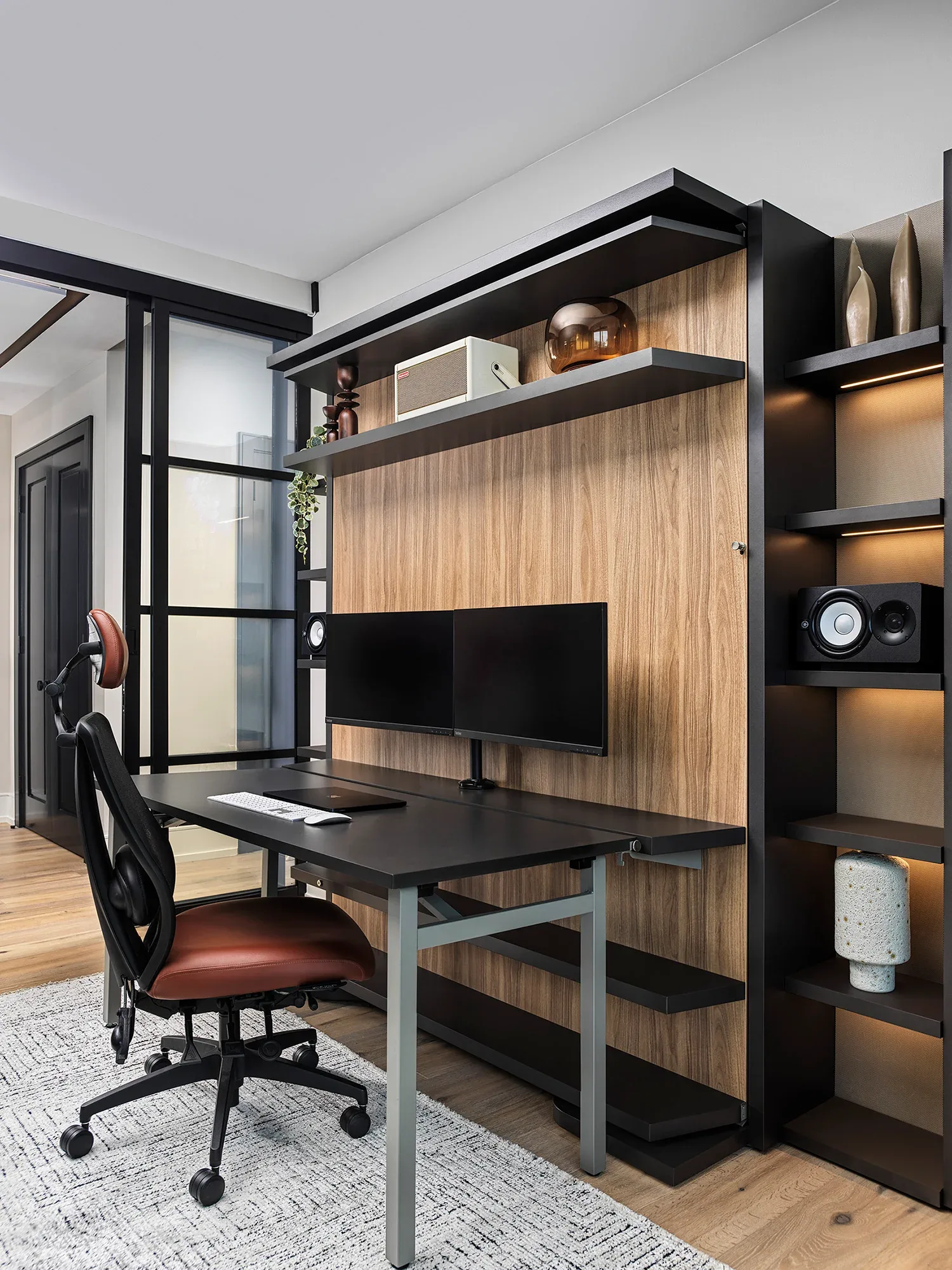
Apartment living has become increasingly common in cities around the world. While apartments often offer convenience and efficient use of space, decorating them can sometimes feel challenging.
Limited square footage, rental restrictions, and multifunctional living areas require a different approach compared to decorating larger homes.
The good news is that apartment decor does not need to be complicated or expensive to feel comfortable and stylish. With thoughtful choices and practical design strategies, even small apartments can feel welcoming, functional, and visually balanced.
The goal is not simply to fill a space with decorative objects. Instead, the focus should be creating an environment that supports everyday living while reflecting personal style.
In real life, apartments must support many activities at once relaxing, working, cooking, hosting guests, and sometimes even exercising. Designing a space that supports these activities while maintaining visual harmony is the key to successful apartment decor.
Understanding the Challenges of Apartment Living
Decorating an apartment often involves working within certain constraints.
Unlike houses, apartments typically have smaller rooms and fewer opportunities for structural changes. Many people also rent their apartments, which means renovations may not be allowed.
These limitations require creative solutions.
Some of the most common apartment decorating challenges include:
• limited floor space
• multifunctional rooms
• restricted renovation options
• limited storage
• awkward layouts
However, these constraints can also encourage more thoughtful design decisions.
By focusing on practical solutions and flexible furniture, apartments can become surprisingly comfortable and efficient.
Start With a Functional Layout
Before selecting decorative elements, it is important to consider how the space will actually function.
A well-planned layout allows each area of the apartment to support specific activities without feeling crowded.
For example, a living room may need to function as both a relaxation area and a workspace.
In these cases, furniture placement becomes essential.
Helpful layout strategies include:
• keeping walkways clear
• arranging furniture to define zones
• placing larger pieces against walls
• using rugs to visually separate areas
Thoughtful layouts help small apartments feel more organized and spacious.
If you want to explore this topic further, our guide on apartment layout ideas explains how to create practical room arrangements that support daily life.
Choose Furniture That Works Harder
Furniture plays a critical role in apartment decor because each piece must justify the space it occupies.
In smaller homes, furniture that serves multiple purposes can dramatically improve functionality.
Some examples include:
• storage ottomans
• sofa beds
• extendable dining tables
• wall-mounted desks
• beds with storage drawers
These pieces allow apartments to remain flexible without becoming cluttered.
Choosing furniture carefully also helps maintain visual balance. Oversized pieces can overwhelm small rooms, while well-proportioned furniture helps maintain an open and comfortable layout.
Our guide on how to choose furniture for a small apartment explores practical ways to select pieces that fit smaller spaces.
Use Vertical Space
When floor space is limited, vertical space becomes extremely valuable.
Walls provide opportunities for storage and decoration without making rooms feel crowded.
Some effective vertical solutions include:
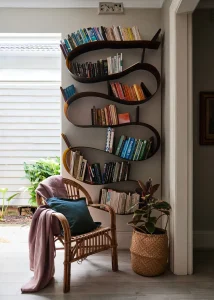
• floating shelves
• tall bookcases
• wall-mounted lighting
• hanging storage systems
• vertical plant displays
These elements allow apartments to maintain organization while adding visual interest.
vertical-storage-in-apartment-using-wall-shelves-and-decor
Decorate With Simplicity
One of the most effective decorating strategies for apartments is simplicity.
Because apartments are often smaller, too many decorative objects can quickly create visual clutter.
Instead, focus on a few elements that add warmth and personality.
Examples include:
• artwork
• soft textiles
• decorative lighting
• indoor plants
• neutral color palettes
These elements help create a comfortable atmosphere without overwhelming the space.
Minimal yet thoughtful decoration often works best in apartments.
Make Rental-Friendly Improvements
Many apartment residents rent their homes, which means permanent renovations are usually not possible.
Fortunately, many decorating improvements can be made without altering the structure of the apartment.
Examples of renter-friendly upgrades include:
• removable wallpaper
• peel-and-stick tiles
• temporary lighting solutions
• decorative rugs
• wall art using adhesive hooks
These changes allow renters to personalize their homes while respecting rental agreements.
If you are decorating a rental space, our guide on how to decorate a rental apartment without renovations explores many practical solutions.

Storage That Blends With Decor
Storage is one of the biggest challenges in apartment living.
Without proper organization, small spaces can quickly feel crowded.
However, storage solutions do not need to look purely functional. Many modern storage pieces combine practicality with visual appeal.
Examples include:
• woven baskets
• decorative cabinets
• storage benches
• open shelving displays
By integrating storage into the overall decor, apartments can remain organized while maintaining a stylish atmosphere.
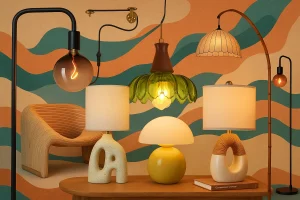
Lighting Makes a Big Difference
Lighting has a powerful impact on how an apartment feels.
Small spaces often benefit from layered lighting rather than relying on a single overhead light.
Combining several light sources creates a more comfortable and flexible environment.
Helpful lighting strategies include:
• floor lamps for living areas
• table lamps for soft ambient light
• task lighting for workspaces
• warm lighting tones for comfort
Layered lighting helps apartments feel warmer and more inviting.
Keep Everyday Life in Mind
The most successful apartment decor always reflects real life.
Instead of focusing purely on aesthetics, the design should support daily routines.
For example:
• entry areas should have space for bags and keys
• kitchens should remain practical for cooking
• living rooms should support relaxation and conversation
• work areas should allow for concentration
Decorating with real-life needs in mind ensures that the space remains comfortable and functional over time.
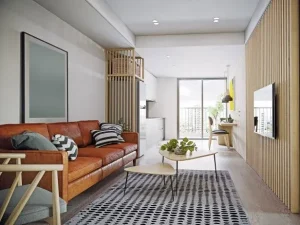
Create Visual Balance in Small Apartments
One of the most important principles in apartment decor is visual balance. When a space is small, every object becomes more noticeable, which means the overall composition of the room matters even more.
Visual balance does not mean everything must be perfectly symmetrical. Instead, it means that furniture, colors, and decorative elements feel evenly distributed throughout the room.
For example, if a large sofa occupies one side of the living room, adding a tall floor lamp or a plant on the opposite side can help balance the visual weight of the space.
This approach prevents the room from feeling heavy or crowded in one area.
Some practical ways to create visual balance include:
• mixing large and small furniture pieces
• combining open space with decorative elements
• avoiding too many bulky items in one area
• using artwork to distribute visual interest
Balanced interiors feel calmer and more comfortable, which is especially important in smaller homes.
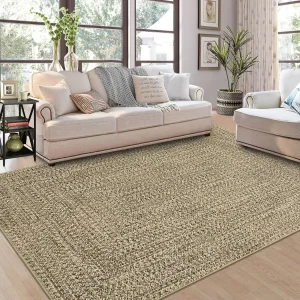
Use Textures to Make Apartments Feel Warmer
Apartments sometimes feel cold or impersonal, especially when they include neutral walls and simple finishes. One of the easiest ways to make a space feel more inviting is by adding texture.
Textures bring depth and softness to interiors without requiring large decorative changes.
Instead of focusing only on color, consider mixing different materials throughout the apartment.
Some examples include:
• soft throw blankets
• woven baskets
• textured rugs
• linen curtains
• wood furniture
• ceramic or clay decorative pieces
These elements add character while maintaining a clean and simple aesthetic.
Textiles are particularly useful because they are easy to change over time. This allows apartment decor to evolve without requiring major redesigns.
Layering textures is also helpful during colder seasons when homes benefit from a warmer atmosphere.
Create Flexible Living Areas
Modern apartments often require rooms to serve multiple purposes.
A living room might function as a workspace during the day and a relaxation area at night. Dining tables may also double as work desks or creative spaces.
Because of this, flexibility becomes one of the most important principles in apartment decor.
Flexible spaces adapt easily to different daily routines without requiring constant rearrangement.
Some strategies that support flexible apartment living include:
• using lightweight furniture that is easy to move
• choosing folding or extendable tables
• using rugs to visually define activity zones
• incorporating movable storage units
• selecting modular seating arrangements
These solutions help apartments remain practical while maintaining visual harmony.
The goal is to create an environment where everyday life feels natural rather than constrained by the size of the space.
When apartment decor supports flexibility, small homes become far more comfortable and efficient.
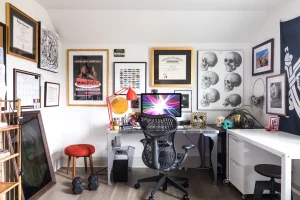
Add Personality Without Overcrowding the Space
One of the biggest concerns people have when decorating apartments is how to add personality without making the space feel crowded.
Because apartments often have limited square footage, it is easy to accidentally create visual clutter. However, a well-decorated apartment should still reflect the personality of the people who live there.
The key is choosing decorative elements intentionally instead of filling every surface.
A few carefully selected pieces can communicate style much more effectively than a large number of small objects.
For example, a large framed artwork above the sofa can become a focal point for the living room. Similarly, a statement rug or a distinctive armchair can add character without overwhelming the space.
Another approach is to use decor that reflects personal interests and daily life.
Some ideas include:
• framed travel photography
• favorite books displayed on open shelves
• handmade ceramics or decorative bowls
• plants that bring life to the interior
• textiles that introduce subtle patterns
These elements make the apartment feel authentic and lived-in.
Plants are particularly powerful in apartment decor because they soften interiors and create a sense of connection with nature. Even a few small plants on shelves or window sills can transform the atmosphere of a room.
Another useful strategy is rotating decorative items over time.
Instead of displaying everything at once, some items can be stored and swapped seasonally. This keeps the apartment feeling fresh without adding unnecessary clutter.
Ultimately, apartment decor works best when it balances simplicity with personality.
A home should feel comfortable and expressive, not overly styled or crowded.
By focusing on meaningful decorative elements and keeping the layout practical, apartments can remain both stylish and easy to live in.
apartment-decor-with-plants-and-artwork-adding-personal-style
FAQ – Apartment Decor Ideas
How do you decorate a small apartment without clutter?
Focus on multifunctional furniture, vertical storage, and a limited number of decorative elements.
What colors make small apartments feel bigger?
Light neutral colors such as white, beige, and soft gray often help small spaces feel more open.
How can renters decorate without damaging walls?
Removable wallpaper, adhesive hooks, and decorative textiles allow renters to personalize spaces without permanent changes.
What furniture works best in small apartments?
Compact, multifunctional pieces such as storage ottomans, sofa beds, and expandable tables are often ideal.
You May Also Like
You May Also Like
Designing an apartment that truly works in real life often depends on how layout, furniture, and daily routines come together over time.
If you’re looking to refine these decisions further, these guides explore how to make your space more functional without losing visual balance:
• How to Decorate a Rental Apartment Without Renovations practical ways to personalize your space while respecting limitations
• Practical Decorating Ideas for Small Apartments strategies that improve comfort without adding clutter
• Smart Apartment Layout Ideas for Urban Living how to organize your space so it supports movement and daily use
• How to Choose Furniture for a Small Apartment selecting pieces that work harder without overwhelming the room
Together, these ideas help transform apartment decor into something that supports everyday living naturally, not just visually, but functionally.
Small Details That Transform Apartment Decor
Sometimes the smallest details make the biggest difference in apartment decor. While furniture and layout define the structure of a space, small finishing touches help create a warm and welcoming atmosphere.
Simple elements such as decorative trays, candles, books, or small sculptures can add personality without overwhelming the room. These objects help create visual layers that make interiors feel more lived-in and comfortable.
Mirrors are another powerful decorating tool for apartments. By reflecting light and surrounding spaces, mirrors can make small rooms feel larger and brighter.
Wall mirrors, especially when positioned across from windows, help distribute natural light throughout the room.
Even subtle adjustments like changing cushion covers, adding a new throw blanket, or rearranging decorative objects can refresh the atmosphere of an apartment without requiring major changes.
These small details allow apartment decor to evolve naturally over time while maintaining a comfortable and practical living environment.

Final Thoughts
Apartment decor works best when it reflects how people actually live.
By focusing on functionality, flexible furniture, and thoughtful layouts, even small apartments can feel comfortable, organized, and visually appealing.
Simple decorative elements, good lighting, and practical storage solutions further improve the atmosphere of the space.
With the right approach, apartment living can offer a balanced combination of efficiency, comfort, and personal style.